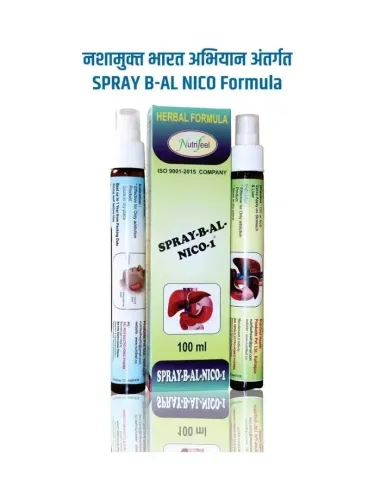

Stopping tobacco or nicotine use can be difficult because dependence may involve physical cravings, established habits, environmental triggers, and behavioural routines. Products positioned for cessation or de-addiction support, including Spray Al Nicco, should be understood within this wider context rather than viewed as a standalone guarantee of successful cessation.
For healthcare facilities and procurement teams, understanding this distinction is important when deciding whether a support product is appropriate for their inventory.
Tobacco Cessation Is Usually a Process
A person may associate tobacco use with specific situations such as waking up, drinking tea or coffee, workplace breaks, driving, social interaction, or stress.
These repeated associations can make quitting challenging even when a person is strongly motivated.
A structured cessation plan may involve identifying triggers, changing routines, receiving behavioural support, following clinically appropriate treatment when indicated, and monitoring progress over time.
Because individual dependence patterns vary, one approach may not suit everyone.
Where Support Products Fit
A de-addiction support product should be used according to its labelled instructions and appropriate professional guidance.
Before supplying or procuring a product, it is useful to understand:
- Its intended purpose
- Ingredients or formulation
- Recommended usage
- Relevant precautions
- Storage requirements
- Pack size
- Manufacturer instructions
Hospitals and healthcare facilities should also distinguish between general supportive products and clinically established tobacco-dependence treatments.
This prevents inappropriate assumptions about what a product can accomplish.
Procurement Requires Its Own Checks
Hospital procurement managers in Thane need to consider operational factors alongside intended use.
For example, a product may appear relevant to a cessation programme, but the purchasing team still needs to determine whether its packaging, shelf life, documentation, quantities, and replenishment cycle fit the facility's requirements.
A practical receiving process can include checking:
- Product description against the purchase order
- Pack quantity
- Packaging condition
- Batch identification
- Expiry information
- Storage instructions
- Invoice accuracy
These routine controls improve traceability across pharmaceutical and healthcare inventories.
Avoid Overpromising Outcomes
De-addiction is an area where exaggerated claims can create unrealistic expectations.
A support product should not automatically be described as something that eliminates addiction, prevents cravings for everyone, or guarantees that a person will stop tobacco use. Outcomes depend on multiple factors, including the degree of dependence, adherence, behavioural support, and the individual's circumstances.
Healthcare organisations can support responsible communication by ensuring staff and patients receive product information that reflects its intended role.
Plan Stock Around Programme Requirements
A hospital or clinic running a cessation-related programme may have different procurement needs from a retail pharmacy.
Institutional purchasers can estimate quantities using programme enrolment, historical consumption, stock on hand, and replenishment frequency.
This is preferable to accumulating large volumes without clear consumption data.
In Thane, where healthcare providers serve diverse residential and working populations, flexible replenishment may be particularly useful when demand changes from month to month.
Assess the Supplier Beyond the Product
Supply reliability matters because healthcare purchasing involves repeated operational coordination.
Procurement teams may consider whether the supplier provides clear product identification, communicates availability accurately, supports reasonable order quantities, and maintains consistent documentation.
V Karan Pharma supplies pharmaceutical and healthcare products in Thane and can support institutional buyers evaluating products such as Spray Al Nicco according to their purchasing requirements.
A Responsible Approach to De-Addiction Support
Successful tobacco cessation often depends on sustained behavioural and clinical support rather than reliance on a single intervention. Healthcare organisations should therefore place supportive products within a broader, responsible cessation framework.
For procurement professionals, Spray Al Nicco for De Addiction Support can be evaluated by reviewing its stated purpose, instructions, documentation, storage requirements, and suitability for the facility's programme.
That approach protects both purchasing quality and patient expectations while helping hospitals and healthcare organisations across Thane and Maharashtra maintain more thoughtfully selected inventories.
Keywords