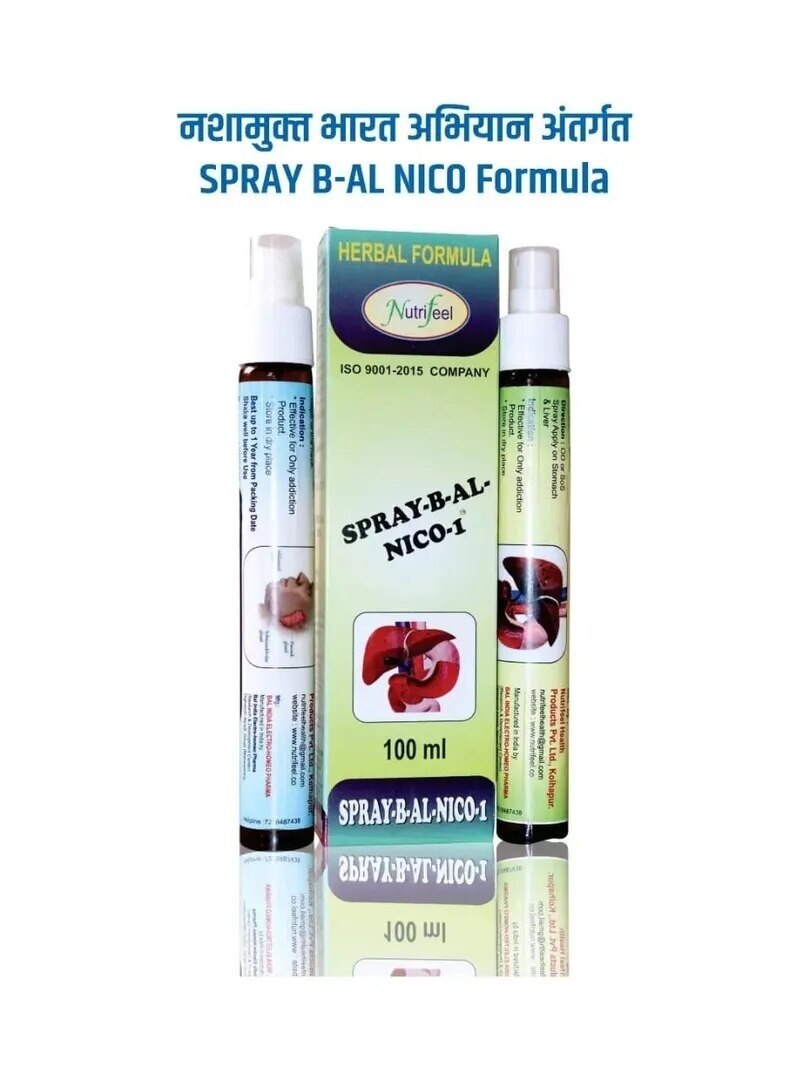
A spray sold for tobacco de-addiction cannot be used safely or judged fairly from its name alone. By checking its formulation, following the correct mouth-spray directions, and fitting it into a quit plan, you can determine whether it is a suitable aid for smoking, chewing tobacco, or another nicotine habit.
Key takeaways
- Check whether the spray contains nicotine and identify its exact dose.
- Follow the label; do not swallow, inhale, or exceed the stated sprays.
- Pair craving support with a quit date, trigger planning, and behavioural help.
- Verify the batch number, expiry date, manufacturer, and licence details before use.
What Is Spray Al Nicco Supposed to Do During Quitting?
Spray Al Nicco is not automatically nicotine-based, a smoking cessation spray, or nicotine replacement therapy. Its possible role depends on whether it relieves an acute craving, eases the mouth-to-use urge, supports a behavioural quit plan, or delivers measured nicotine. “Tobacco de-addiction” claims do not identify which function it provides.
Before use, check the package for:
- Active ingredients and concentration
- Route of administration
- Nicotine content or nicotine strength
- Alcohol, menthol, herbal, or other extracts
- Maximum dose and treatment duration
- Expiry date and batch number
- Manufacturer or marketer details
- Regulatory status and warnings
Evidence for cigarettes does not automatically apply to bidis, chewing tobacco, gutka, khaini, snuff, or vaping. Each form has different nicotine exposure, routines, and triggers, so the product’s evidence must match your tobacco use.
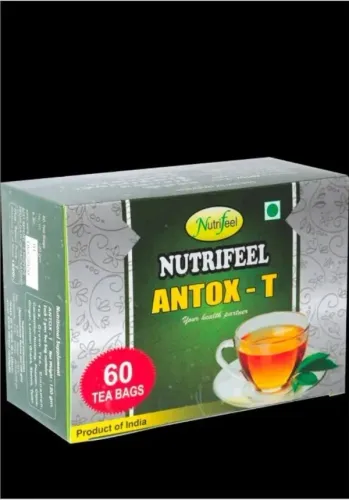
Spray B Al Nicco, Antox T, Nasha Mukt Spray, and Antiox Drops are names, not proof of identical ingredients or directions. Read each product’s own label.
Claims that a spray cleanses lungs, removes tar, or neutralises nicotine do not show that it helps people stop. A pleasant mouth sensation or temporary craving relief is not proof of reduced disease risk; stopping tobacco exposure is.
Without a controlled trial of the exact formulation measuring long-term abstinence, do not treat the spray as an established cessation medicine.
How Should You Use the Spray Safely?
Do not guess the Spray Al Nicco dosage from a nicotine product sold under another name. Before the first use, read the exact pack and leaflet; if they do not state the route, ingredients, concentration, and dose limits, ask a pharmacist or clinician.
- Confirm where the label directs application: inside the mouth, under the tongue, or against the cheek. Never inhale the spray into your lungs or apply it to your skin.
- Record the stated number of sprays per dose, minimum interval between doses, daily maximum, treatment duration, swallowing instruction, and what to do after spraying. Follow the label’s rules for food, drinks, and rinsing.
- Do not substitute nicotine mouth spray instructions for directions for Spray Al Nicco. Nicotine sprays differ in strength, timing, maximum doses, and swallowing advice; Al Nicco may not contain nicotine at all.
- Stop and seek medical advice for persistent mouth or throat irritation, hiccups, coughing, headache, nausea, or excess saliva. These nicotine spray side effects do not prove the product is working.
- Stop a nicotine-containing product and obtain urgent help for dizziness, sweating, tremor, palpitations, vomiting, confusion, fainting, marked weakness, or breathing difficulty. Avoid adding cigarettes, vaping, or another nicotine product unless a clinician has planned the combined doses.
Get individual medical advice before using nicotine during pregnancy or breastfeeding, below age 18, after a recent heart attack, with serious rhythm problems, or with uncontrolled angina. Properly learning how to use de-addiction spray starts with the product’s own readable instructions.
Where Does It Fit in a Practical Quit Plan?
A spray is one part of a structured quit attempt, not the treatment by itself. Set a quit date, record every tobacco use, and note triggers such as tea, alcohol, driving, stress, and social cues. Prepare substitutes for hand-to-mouth and mouth-based habits, such as sugar-free gum, water, a straw, or a toothpick.
- Assess dependence before choosing support: record whether you use cigarettes, bidis, chewing tobacco, gutka, khaini, snuff, or vaping; daily amount; time to first use; previous quit attempts; withdrawal symptoms; mental-health conditions; and other substance use.
- Use craving management that matches the label. A rapid-acting nicotine mouth spray can address an acute craving only when it contains measured nicotine. A nicotine patch provides slower background replacement.
- Combine a nicotine patch and mouth spray, gum, or lozenges only according to each product’s dosing instructions or a clinician’s plan. More nicotine is not automatically better.
- Add quitline counselling, behavioural therapy, and family support. Arrange follow-up to review cravings, slips, withdrawal, and relapse rather than treating one lapse as failure.
Reducing cigarettes does not end nicotine dependence if you continue vaping or using smokeless tobacco. Assess those products separately, and do not assume a spray suitable for cigarettes is suitable for vaping, gutka, khaini, or snuff.
What Evidence and Alternatives Should You Compare?
Spray Al Nicco should not be treated as equivalent to established cessation methods unless its exact formulation has been tested in a controlled smoking-cessation trial. That trial should measure continuous abstinence at six or twelve months, not rely on testimonials or short-term craving scores. Without that evidence, you cannot claim that it cures tobacco dependence.
| Option | Evidence or role | Practical trade-offs |
|---|---|---|
| Spray Al Nicco | Depends on its ingredients and trial evidence | Compare cost, convenience, side effects, and supervision needs |
| Nicotine gum | Short-acting nicotine for cravings | Requires correct chew-and-park technique; jaw or mouth irritation can occur |
| Nicotine lozenges | Short-acting nicotine for cravings | Must dissolve correctly; nausea or throat irritation can occur |
| Nicotine patch | Steady nicotine replacement | Convenient; skin irritation or vivid dreams can occur |
| Varenicline | Prescription cessation medicine | Requires clinician assessment and medicine-specific precautions |
| Bupropion | Prescription cessation medicine | Requires clinician assessment and medicine-specific precautions |
| Quitline counselling | Coaching, planning, and follow-up | Accessible support; effectiveness depends on participation and follow-up |
| Behavioural therapy | Addresses triggers, habits, and relapse | Requires time, structured sessions, or regular practice |
Nicotine-replacement therapy is not identical to a non-nicotine herbal or homeopathic spray. Combining a patch, gum, lozenge, spray, vaping, or tobacco increases nicotine exposure unless a planned regimen sets the doses. Choose by comparing price, availability, dosing effort, side effects, and the level of pharmacist or clinician supervision—not by assuming every option works equally well.
How Can You Verify the Product Before Buying or Starting It?
Do not buy or start Spray Al Nicco until the sealed pack gives you enough information to identify and use it safely. Check product label details rather than relying on the name or a seller’s description:
1. Confirm the ingredient list, concentration of each active ingredient, nicotine strength if present, bottle volume, route of administration, dose limits, storage conditions, warnings, and whether it is intended as tobacco cessation support.
2. Record the batch number and expiry date, manufacturing date, manufacturer or marketer name and address, and stated regulatory information. Missing dates or an unreadable seal are reasons to stop.
3. Ask a pharmacist or supplier whether it is intended for cigarettes, bidis, chewing tobacco, gutka, khaini, snuff, vaping, or more than one form. Evidence or directions for one form do not automatically apply to another.
4. Request the package leaflet and read its directions for spraying, swallowing, food or drink restrictions, dose intervals, and maximum daily use. Spray Al Nicco, Spray B Al Nicco, Antox T, Nasha Mukt Spray, and Antiox Drops are not interchangeable because similar names do not prove identical formulations.
V. Karan Pharma, a medical product supplier in Thane, can help confirm catalogue or availability details; your decision should still depend on a readable label and appropriate clinical advice.
If ingredients, concentrations, directions, or regulatory information are missing, pause and seek professional guidance instead of guessing.
Frequently asked questions
Is Spray Al Nicco automatically nicotine replacement therapy?
No. Confirm the active ingredients and nicotine amount on the label. A tobacco-de-addiction claim does not prove that the product delivers measured nicotine.
How should you use Spray Al Nicco safely?
Read the full label, follow its spray frequency and maximum daily amount, and check warnings for pregnancy, medicines, allergies, and medical conditions. Do not exceed the stated dose.
Where does Spray Al Nicco fit in a quit plan?
Use it only as one part of a plan that includes a quit date, craving strategies, trigger changes, and support from a doctor, pharmacist, counsellor, or quitline.
What should you verify before buying or starting it?
Check the sealed pack, active ingredients, nicotine dose if present, batch number, expiry date, manufacturer, customer-care details, and the applicable licence information.