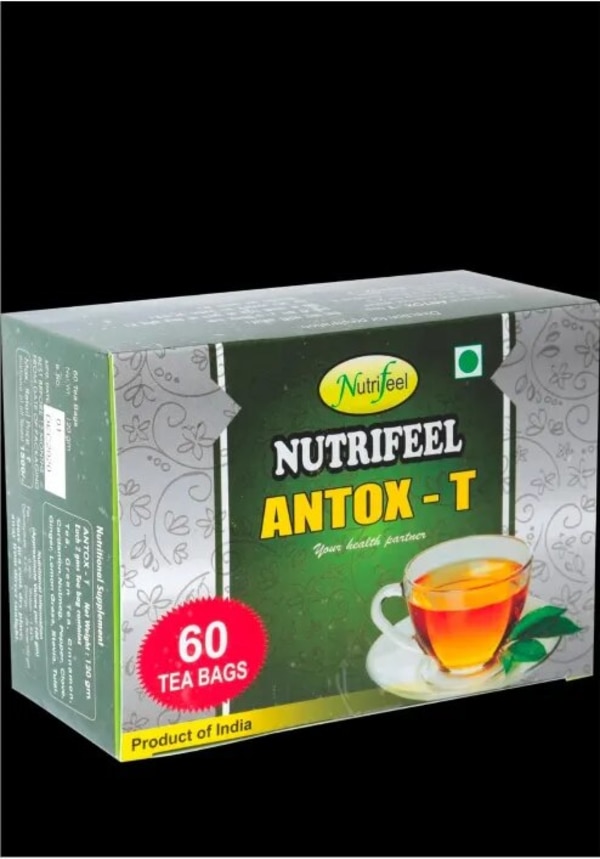
A wellness tea is useful only when you know what it contains, how to prepare it, and what role it can realistically play beside meals, sleep, movement, and medical care. By the end, you will be able to read the pack, build a cautious routine, compare alternatives, and recognise when the tea is unsuitable or when symptoms need professional attention.
Key takeaways
- Check ingredients, serving size, caffeine, sweeteners, batch number, and expiry date.
- Schedule tea around sleep, meals, medicines, and your actual daily routine.
- Ask a clinician or pharmacist before use with medicines, pregnancy, or chronic conditions.
- Track one clear goal for two to four weeks instead of expecting a cure.
Start with the label, not the wellness claim
Before deciding whether Antox T belongs in your routine, confirm what is actually in the pack and how much you are meant to consume. The product name alone cannot tell you whether it contains green tea, other botanicals, caffeine, sweeteners, or meaningful amounts of active compounds.
- Read the full Antox T ingredients list, including quantities, added sugars, and allergen information.
- Check whether each plant is identified by its botanical name, such as Camellia sinensis for green tea, rather than by a vague term like “herbal blend.”
- Find the serving size, caffeine amount per serving, preparation directions, and recommended daily limit.
- Record the manufacturer, lot or batch number, expiry date, warnings, and any independent quality-testing information.
If the label omits the serving size or ingredient quantities, you cannot reliably compare the tea with other beverages or judge your caffeine intake. During pregnancy, count the stated caffeine toward the daily total; ACOG describes less than 200 mg per day as generally acceptable, not every “wellness” tea as caffeine-free.
Treat antioxidant claims evidence separately from proof of health benefits. NCCIH notes that laboratory findings about green-tea compounds do not show that drinking tea prevents or treats disease. Choose unsweetened preparation for a lower-calorie drink, and let it cool before drinking; beverages above 65 °C are classified by IARC as probably carcinogenic to humans.
Build a safe tea routine around your actual day
Treat unclear directions as missing information, not permission to take extra tea. Antox T preparation depends on whether the pack contains tea leaves, concentrated botanicals, sweeteners, or caffeine, so do not infer a serving size from the product name or from another tea.
- Check the pack for a serving size, tea-bag count, water volume, brewing time, and stated water temperature. If any of these are absent, contact the manufacturer or a pharmacist before preparing repeated servings.
- If the label confirms an ordinary tea blend and gives no contrary instruction, begin with one cup in the morning or early afternoon. This limits disruption if caffeine causes alertness, nausea, anxiety, headache, or palpitations.
- Keep the first trial unsweetened and use it instead of a sugary drink, not in addition to your usual beverages. That supports a daily wellness routine through beverage choice, not by treating diabetes, obesity, or another disease.
- Let the drink cool before consuming it. IARC classifies beverages above 65°C as probably carcinogenic to humans, so a visibly steaming cup is not ready to drink.
- Count caffeine from Antox T with coffee, energy drinks, medicines, and supplements. FDA cites 400 mg daily as an amount not generally linked to adverse effects for most healthy adults, not a target; during pregnancy, keep total intake below 200 mg unless your clinician advises otherwise.
Stop and seek advice if symptoms occur, or if the label still leaves preparation unclear.
Check medicines, health conditions, and warning signs first
Do not start the tea without professional advice if you take anticoagulants, diabetes medicine, blood-pressure medicine, stimulants, or a medicine with a narrow therapeutic range. Botanical ingredients can alter medicine effects, and “natural” does not prove compatibility. Ask a pharmacist or clinician to review the complete ingredient list and quantities.
Pregnancy also calls for a check before use. If the tea contains green tea or another caffeinated leaf, count its caffeine with coffee, energy drinks, medicines, and supplements; do not assume an herbal or wellness label means caffeine-free.
ACOG considers less than 200 mg of caffeine per day generally acceptable during pregnancy, but this is not a personal target. People with caffeine sensitivity, heart-rhythm problems, anxiety, reflux, or insomnia should ask first.
If you develop side effects of herbal tea, use this procedure:
1. Stop drinking it and record the time, amount, preparation, and symptoms. Do not take another serving to test the reaction.
2. Contact a pharmacist or clinician for nausea, headache, anxiety, insomnia, palpitations, or repeated vomiting, especially if symptoms continue. Take the pack or ingredient photograph with you.
3. Seek emergency help for trouble breathing, facial or throat swelling, fainting, chest pain, severe palpitations, or confusion.
Let the tea cool before drinking. IARC classifies beverages above 65 °C as probably carcinogenic, so a tolerably warm cup is safer than a scalding one.
Compare the tea with simpler and clinically proven choices
Antox T adds practical value only when its verified ingredients and taste help you replace a less useful drink or maintain a consistent routine. It does not outperform plain water versus herbal tea for hydration, and “antioxidant” wording does not prove disease prevention or treatment.
| Option | Practical benefit | When Antox T adds value |
|---|---|---|
| Plain water | Hydration without caffeine, calories, or ingredients | Choose water when thirst and fluid replacement are the goal |
| Unsweetened tea | Low-calorie flavour and, if present, measured caffeine | Choose Antox T if its label suits you and its taste helps replace sweetened drinks |
| Dietary fibre and balanced meals | Supports fullness, bowel regularity, and nutrient intake | Tea cannot replace vegetables, pulses, whole grains, or a balanced meal |
| Exercise | Builds strength, fitness, and functional capacity | Tea offers no substitute for an indicated exercise or rehabilitation plan |
| Supervised weight management care | Provides assessment, monitoring, and treatment | Use weight management care for obesity or related disease, not tea alone |
The strongest everyday case is behavioural: a labelled, unsweetened serving can make it easier to avoid sugary beverages. That benefit comes from the substitution, not a detox effect. Check caffeine before use, especially during pregnancy, and separate tea from iron-containing meals or iron supplements if your clinician advises it for low iron.
If mobility or rehabilitation is the real need, follow the prescribed plan; a correctly selected aid, such as a walker supplied by V. Karan Pharma, addresses function in a way tea cannot. Stop relying on the drink as a treatment when symptoms, poor intake, or a diagnosed condition require supervised care.
Use a short, measurable trial instead of expecting a cure
Use a 7- to 14-day trial to assess whether Antox T fits your routine, not to prove that it cures anything. Record your usual energy, digestion, sleep, blood-glucose readings if you already monitor them, and beverage choices before starting; then compare them during the trial.
- Prepare it exactly as the label directs, without added sugar. If directions are missing, do not increase the amount to chase a stronger effect.
- Replace one sugar-sweetened drink with the tea, rather than adding it on top of your normal caffeine intake.
- Keep symptom tracking simple: note stomach upset, loose stools, nausea, headache, palpitations, rash, sleep disruption, or dizziness, plus the time and amount consumed.
- Stop the trial if symptoms begin or worsen. Do not use the tea in place of prescribed medicine, oral rehydration, meals, sleep, or a recommended exercise or rehabilitation plan.
Set realistic expectations: an unsweetened tea may help mainly by replacing a higher-calorie drink. Be precise about detox meaning: the word does not show that the tea removes toxins, reverses diabetes, treats obesity, or cleanses an organ. Antioxidants do not establish those effects.
Do not drink it scalding hot; let it cool below 65 °C. Ask your clinician about timing if you have low iron or take iron supplements. Know when to see a doctor: seek medical evaluation for persistent symptoms, severe reactions, fainting, breathing difficulty, or abnormal glucose readings.
Frequently asked questions
What should you check on the Antox T Tea label first?
Read the ingredient list, serving size, preparation instructions, caffeine information, sweeteners, batch number, expiry date, manufacturer details, and any warnings. Do not infer the contents from the product name alone.
How can you fit Antox T Tea into a safe daily routine?
Choose a consistent time that does not disrupt sleep, replace water or prescribed treatment, or conflict with meals and medicines. Follow the pack’s serving instructions rather than increasing the amount because you want faster results.
When should you check with a healthcare professional before drinking the tea?
Ask a doctor or pharmacist first if you take prescription medicines, are pregnant or breastfeeding, have liver or kidney disease, have caffeine sensitivity, or manage a chronic condition. Stop and seek medical advice for symptoms such as swelling, breathing difficulty, severe vomiting, or a widespread rash.
How should you compare Antox T Tea with simpler wellness choices?
Compare its ingredients, evidence, cost, preparation effort, caffeine, and possible interactions with options such as water, unsweetened tea, regular meals, sleep, and clinically proven treatment. Use tea as a supplement to healthy habits, not as a replacement for medical care.
How can you tell whether the tea is helping?
Set one measurable goal, record your starting point, follow the label for two to four weeks, and note benefits or side effects. Stop the trial if symptoms worsen, and do not treat a lack of improvement as a reason to increase the dose.