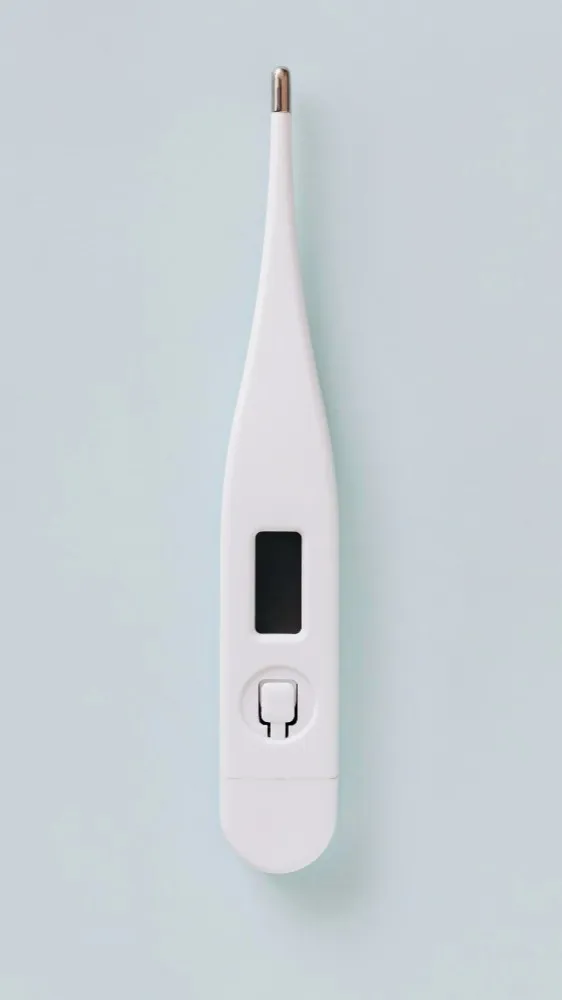
A Digital Thermometer for Temperature Monitoring is one of the most familiar devices in healthcare, yet its routine nature can cause procurement teams to underestimate the importance of product selection. Hospitals may use thermometers across wards, outpatient settings, screening areas, and other appropriate clinical environments, making usability and supply consistency important.
When a healthcare facility is ready to purchase or standardise digital thermometers, procurement should be based on defined requirements rather than price alone.
Identify the Required Thermometer Type
Digital thermometers are available in different configurations and are intended for different measurement methods.
The procurement request should specify the required device category rather than using the broad description 'thermometer.'
Clarifying intended use prevents suppliers from quoting products that do not match the clinical requirement.
Review the Manufacturer's Instructions
Temperature readings can be affected by how and where a device is used.
Procurement teams should ensure that instructions for use are supplied and that the selected product can be integrated into the facility's clinical procedures.
Staff should follow the device-specific measurement method rather than assuming that every digital thermometer operates identically.
Assess Display and Ease of Use
A frequently used device should be straightforward for trained users to operate.
Procurement evaluation can include:
- Display readability
- Controls
- Measurement method
- Cleaning requirements
- Battery type
- Automatic shut-off where available
- Storage requirements
- Protective case or cover where supplied
Small usability differences can become significant when a device is used repeatedly.
Check Cleaning Requirements
In healthcare settings, infection-control considerations are essential.
The thermometer's surface and relevant components should be cleaned or disinfected according to the manufacturer's instructions and the facility's protocols.
Procurement managers can confirm whether the selected design is practical for the intended environment.
Where disposable covers or other compatible consumables are required, their ongoing availability should be considered before purchasing the device.
Confirm Battery and Accessory Availability
A thermometer that depends on an uncommon battery can create avoidable maintenance difficulties.
Before standardisation, determine the battery specification and whether replacements are readily available.
If the device uses model-specific accessories, those should also be included in lifecycle planning.
Evaluate the Supplier's Institutional Readiness
Hospitals require predictable purchasing processes.
A supplier should be able to provide clear product descriptions, quantities, commercial information, and realistic availability details.
For repeat requirements, consistency becomes especially important. If a hospital standardises a device, unexpected model changes can affect accessories, instructions, and staff familiarity.
V Karan Pharma supplies pharmaceutical, surgical, and medical-care products for healthcare requirements in Thane. Hospital procurement teams considering digital thermometers can assess available products against their preferred specifications and quantities.
Inspect Every Delivery
Receiving controls remain important even for low-complexity medical devices.
Staff can verify:
- Model and product description
- Quantity
- Packaging condition
- Included accessories
- Instructions
- Physical condition
- Commercial documents
Any discrepancy can then be addressed before the devices are distributed internally.
Consider Cost Per Useful Device, Not Just Unit Price
A very low unit price can be attractive when purchasing dozens of thermometers.
However, procurement value depends on whether the device meets specifications, can be maintained, and remains available for repeat requirements.
Hospitals can compare quotations using total practical value rather than selecting solely on the smallest number.
When Is a Procurement Team Ready to Order?
A facility is generally in a stronger purchasing position when it has confirmed the thermometer type, intended departments, required quantity, technical expectations, accessory needs, and internal budget.
Providing those details to the supplier can produce a more relevant quotation and reduce back-and-forth communication.
For hospitals and healthcare facilities across Thane and Maharashtra, purchasing a Digital Thermometer for Temperature Monitoring through a specification-led process can support more consistent equipment selection, easier inventory management, and smoother routine clinical use.
Keywords