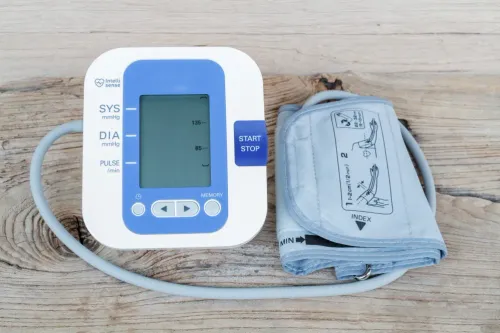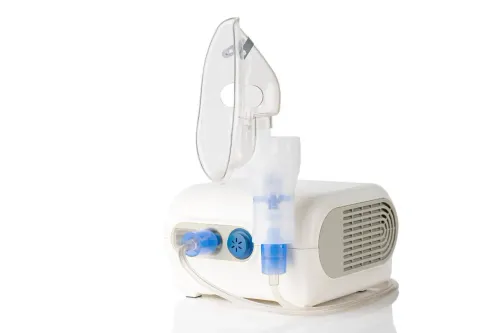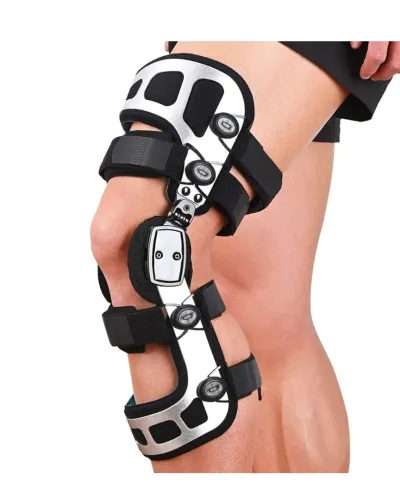
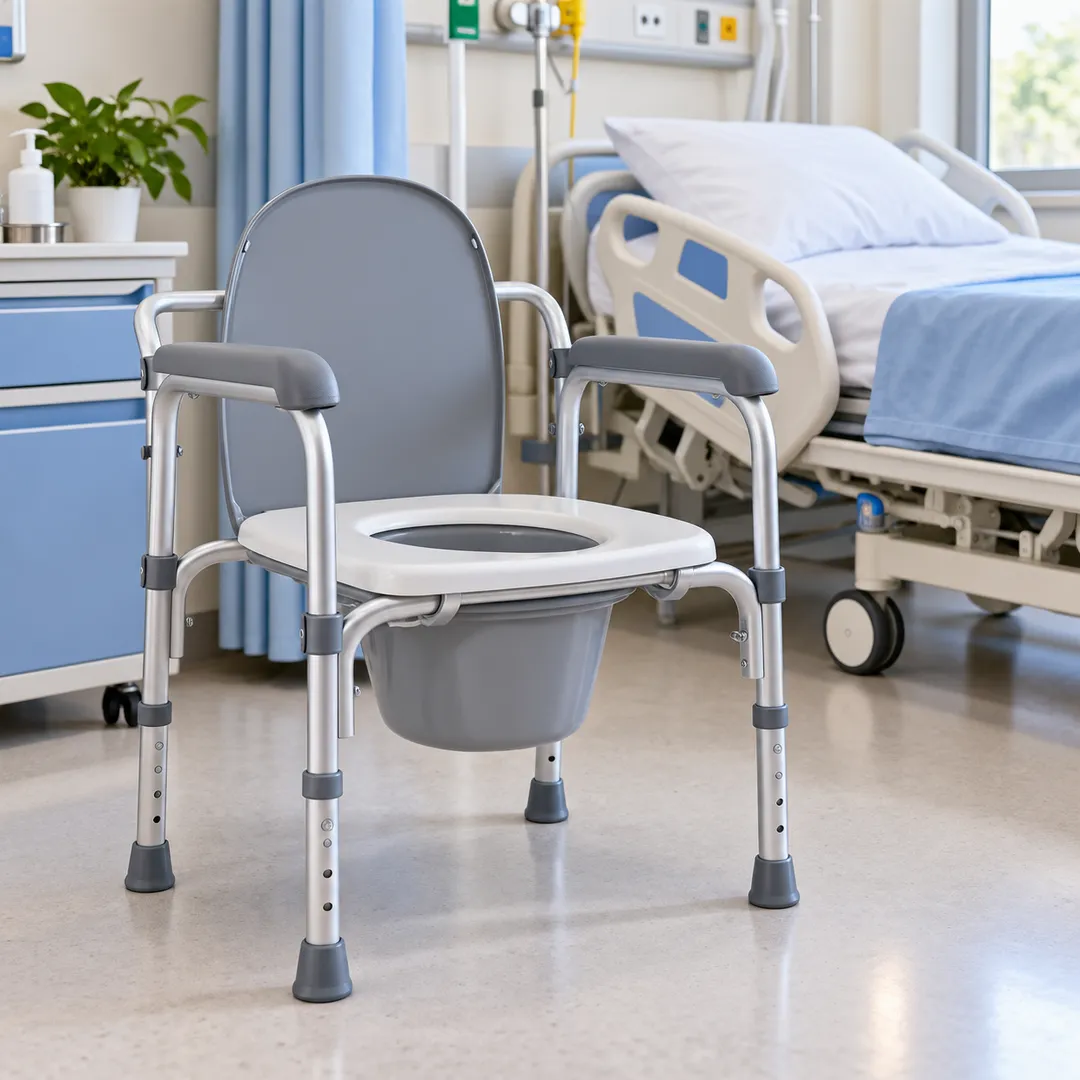
A Commode Chair for Patient Care can make toileting more accessible for individuals who have difficulty reaching or safely using a conventional bathroom. In hospitals, rehabilitation facilities, elder-care settings, and home-care discharge planning, the equipment may be considered for patients with restricted mobility.
Because a commode chair directly supports patient movement and positioning, procurement managers should evaluate safety and usability rather than treating every model as equivalent.
Start With Stability
A commode chair should stand securely during intended use.
When evaluating a product, inspect the frame construction, leg arrangement, joints, and contact points with the floor. If the model includes rubber tips or other anti-slip components, check that they are properly fitted.
Visible instability, damaged joints, or missing components should be addressed before equipment is issued.
Check Weight Capacity
Weight capacity is a fundamental specification.
Procurement teams should verify the manufacturer's stated limit and ensure it is readily available to the staff responsible for issuing or using the equipment.
Never assume that similar-looking chairs have identical capacities.
Facilities treating patients with different mobility and body-support requirements may need more than one equipment specification.
Consider Seat Height and Accessibility
Getting onto and off a chair can be challenging for people with reduced lower-limb strength, restricted joint movement, or balance difficulties.
Seat height therefore matters.
Where a model offers height adjustment, procurement teams should check how securely the adjustment mechanism locks and whether staff can operate it easily.
Arm supports may also assist with positioning depending on the design and intended use.
Examine the Commode Container
The removable container should be easy for caregivers to access and handle according to infection-control procedures.
Buyers can assess whether it:
- Fits securely
- Can be removed without excessive difficulty
- Has smooth, cleanable surfaces
- Can be replaced if damaged
- Is appropriately positioned beneath the seat
Ease of cleaning is especially important in institutional environments.
Review Surface Cleanability
Patient-care equipment may require frequent cleaning and disinfection.
Complex joints, deep crevices, absorbent materials, or difficult-to-access surfaces can complicate maintenance.
Hospitals should ensure that cleaning methods are compatible with the product materials and their infection-control protocols.
Check Mobility Features Where Applicable
Some commode chairs are stationary, while others may incorporate wheels.
If a wheeled model is being considered, braking and movement controls become critical evaluation points. The equipment should be used only according to its intended design and institutional safety procedures.
A wheeled commode should not automatically be treated as a substitute for a wheelchair.
Plan for Storage
Bulky patient-care equipment can consume valuable hospital storage space.
Before purchasing large quantities, consider where assembled or folded units will be stored, how they will be protected from damage, and how staff will distinguish ready-to-use equipment from units awaiting cleaning or inspection.
Hospitals in Thane with high patient turnover may benefit from defining separate clean-equipment storage areas.
Inspect Equipment Regularly
Procurement does not end when equipment is received.
Patient-care devices should be periodically checked according to the facility's maintenance practices. Loose fasteners, worn rubber tips, damaged seats, corrosion, or unstable components can affect safe use.
A simple inspection record can help facilities monitor reusable equipment.
Evaluate Supply and Replacement Support
Institutional buyers should also consider whether repeat units or replacement components can be sourced when needed.
V Karan Pharma supplies medical, surgical, orthopedic, and patient-care products for requirements in Thane. Procurement teams evaluating commode chairs can discuss product specifications, quantities, and availability according to their facility's requirements.
Use a Procurement Checklist
Before approving a Commode Chair for Patient Care, verify stability, weight capacity, seat dimensions, adjustability where applicable, arm support, commode-container design, cleaning requirements, storage needs, and overall construction.
Price should be considered after these basic requirements have been established.
For hospitals, rehabilitation centres, and healthcare organisations across Thane and Maharashtra, a specification-led approach helps ensure that purchased equipment is practical for caregivers, appropriate for intended patient-care settings, and easier to manage throughout its usable life.
Keywords