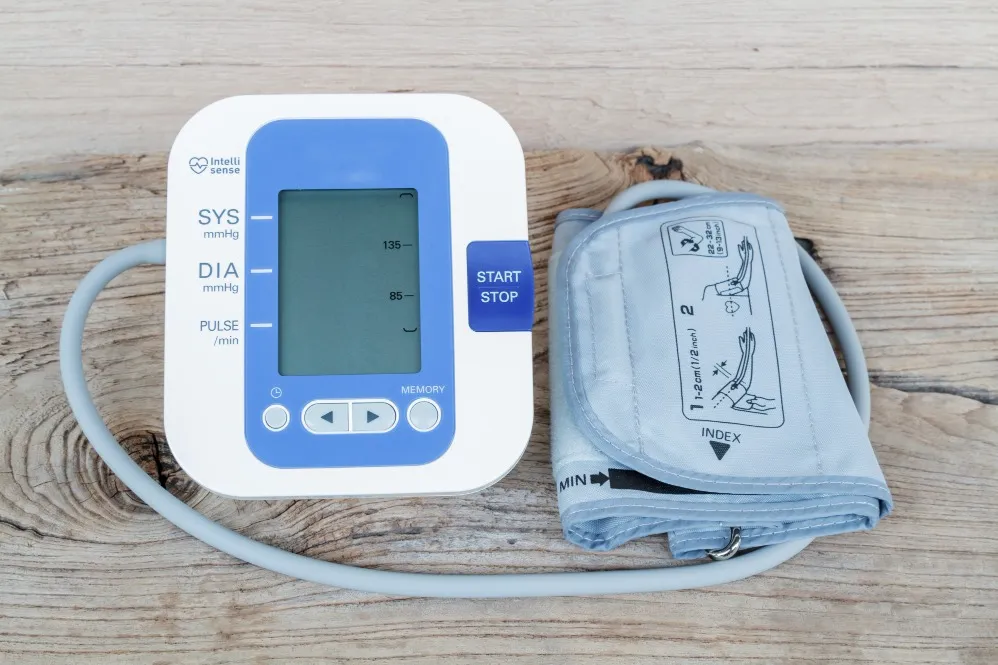
Accurate blood-pressure measurement is an important part of routine clinical assessment, but purchasing a BP Monitor for Blood Pressure Monitoring requires more than choosing a familiar-looking device. Hospital procurement managers need to consider device type, cuff requirements, intended users, validation information where applicable, warranty or service arrangements, documentation, and supplier reliability.
A structured supplier-selection process can make future purchasing and equipment management considerably easier.
Define the Clinical Requirement First
A hospital may require blood-pressure monitors for different environments, including wards, outpatient departments, nursing stations, screening programmes, or selected home-care requirements.
The appropriate equipment depends on the intended use.
Before requesting quotations, procurement teams should define:
- Required device type
- Expected frequency of use
- Intended clinical setting
- Cuff-size requirements
- Power or battery requirements
- Display and operating needs
- Quantity
- Required documentation
Clear specifications make supplier comparisons more meaningful.
Pay Attention to Cuff Sizes
Cuff selection matters in blood-pressure measurement.
Healthcare facilities treating patients with varied arm circumferences may require more than one cuff size, depending on the monitor and manufacturer specifications.
Procurement managers should confirm which cuff is supplied as standard and whether compatible alternative sizes are available.
This small purchasing detail can have significant practical consequences.
Ask About Validation and Product Documentation
Institutional purchasers should examine available product documentation rather than relying solely on promotional descriptions.
Depending on the device category and organisational policy, procurement teams may review manufacturer information, instructions for use, technical specifications, applicable regulatory details, and evidence of validation for measurement accuracy where relevant.
The objective is to understand what is being purchased and whether it meets the facility's defined requirements.
Evaluate Warranty and After-Sales Arrangements
Medical equipment may remain in use far longer than the initial purchasing cycle.
Procurement managers should ask what happens if a device develops a problem.
Relevant questions include:
- What warranty applies?
- What does the warranty cover?
- How are service requests handled?
- Are compatible cuffs available separately?
- Are replacement accessories obtainable?
- Who should be contacted for product support?
A low acquisition price becomes less attractive if basic support is unavailable later.
Review Supplier Readiness
A supplier suitable for institutional healthcare purchasing should be able to communicate clearly about product availability and specifications.
Look for consistency in quotations, invoices, product descriptions, quantities, and delivery commitments.
Procurement teams can also evaluate whether the supplier understands recurring hospital requirements rather than treating every purchase as an isolated retail transaction.
V Karan Pharma supplies pharmaceutical and medical products for healthcare establishments in Thane. For procurement managers evaluating BP monitors, the company can provide product and supply information relevant to institutional purchasing requirements.
Include Receiving Checks
Once equipment arrives, verify it against the purchase order before distribution.
Check the model, quantity, included cuff and accessories, packaging, instructions, and physical condition.
Recording equipment according to the hospital's internal asset or inventory process can also improve traceability.
Consider Lifecycle Cost
The purchase price is only the beginning.
The longer-term cost of a BP monitor may involve batteries, compatible cuffs, maintenance, service, replacement, and staff time spent dealing with unavailable accessories.
For this reason, procurement decisions can consider:
Acquisition cost + accessory availability + expected maintenance + service support + useful operating life
This provides a more realistic view of value.
Look for Reliable Local Supply
Healthcare facilities in Thane often manage recurring requirements across pharmaceutical, surgical, diagnostic, orthopedic, and patient-care categories.
Working with organised suppliers within the Maharashtra healthcare supply network can support faster communication and more predictable replenishment, although every product should still be evaluated against the hospital's own procurement standards.
When selecting a BP Monitor for Blood Pressure Monitoring, define the clinical requirement first and assess suppliers on product documentation, cuff availability, support, supply consistency, and total purchasing value.
That process gives procurement managers stronger grounds for selecting equipment that can remain useful beyond the initial purchase order.
Keywords