A low purchase price can hide recurring costs, poor fit, unavailable parts, unsafe use, or long periods of downtime. By the end, you will have a practical way to compare total ownership cost, product evidence, user fit, maintenance support, and long-term usability before choosing a healthcare product.
Key takeaways
- Calculate purchase, delivery, consumables, repairs, and downtime costs.
- Compare products using cost per service month, treatment, or patient use.
- Check fit, safety features, instructions, warranty terms, and replacement parts.
- Choose affordable medical products only after assessing their total ownership cost.
What does healthcare product value include besides the purchase price?
Healthcare product value includes more than the invoice. Calculate whole-life cost as purchase price plus delivery, consumables, batteries, replacement parts, servicing, training, and expected downtime, minus costs covered by the warranty. Divide that total by useful service months, treatment sessions, or patient uses to compare products fairly.
- Request the warranty term, exclusions, service response time, and repair charges in writing.
- Check battery type, charging time, expected life, charger compatibility, replacement availability, and price. A failed proprietary battery can make an otherwise working aid unusable.
- Ask how often filters, straps, electrodes, wheels, or other consumables need replacement, and whether standard parts are available locally.
- Add staff or caregiver training time, installation, delivery, and the cost of taking the device out of service during repairs.
- Confirm cleaning, disinfection, or sterilization instructions. An incompatible chemical or temperature can damage materials while failing to meet infection-control needs.
- Check the exact model, serial or lot number, current instructions, manufacturer safety notices, and recall or adverse-event databases. A report does not prove causation, and no report does not prove safety.
- Treat FDA 510(k) clearance as substantial equivalence to a legally marketed predicate device, not proof of superior quality, comfort, durability, or value.
Usefulness also depends on fit, adjustability, repairability, compatibility with existing equipment, and whether the product can adapt as needs change. A supported product with available parts can deliver more usable service than a cheaper device that is difficult to maintain.
Which evidence makes a medical product price comparison meaningful?
A meaningful medical product price comparison weighs each claim against what it actually proves, then checks gaps affecting safety, use, and ownership cost. No single credential establishes superiority; compare evidence that answers the same decision.
| Evidence | What it establishes | What it does not establish |
|---|---|---|
| FDA 510(k) clearance | Substantial equivalence to a legally marketed predicate device | Superior clinical results, comfort, durability, or value |
| IEC 60601-1 compliance | Basic safety and essential performance for medical electrical equipment | Ease of use, long service life, or suitability for every patient |
| ISO 13485 certification | A manufacturer’s quality-management system | That every product performs best or fits every user |
| ISO 14971 risk management | Hazards, controls, and residual risks were assessed | That the device is risk-free |
| Safety records | Electrical tests, recalls, complaints, repairs, and incident history | Safe operation without proper maintenance or training |
| Performance data | Measured results under stated conditions, such as output, load, accuracy, or battery runtime | Identical results in your setting |
| Warranty terms | Covered failures, response time, exclusions, and remaining protection | Reliable parts supply or low downtime |
For used or refurbished equipment, request refurbishment and decontamination records, battery condition, missing-accessory details, software support, and electrical-safety testing. Compare consumables, replacement parts, servicing, training, delivery, and downtime alongside the warranty. A low price loses its advantage when parts are unavailable or a failure cannot be repaired safely.
Ask which foreseeable misuse remains and whether warnings, guards, maintenance, and training address it.
How do fit, safety, and daily use affect healthcare product quality?
Check fit, safety, and daily workload before comparing prices. These checks reveal healthcare product quality more reliably than a low sticker price.
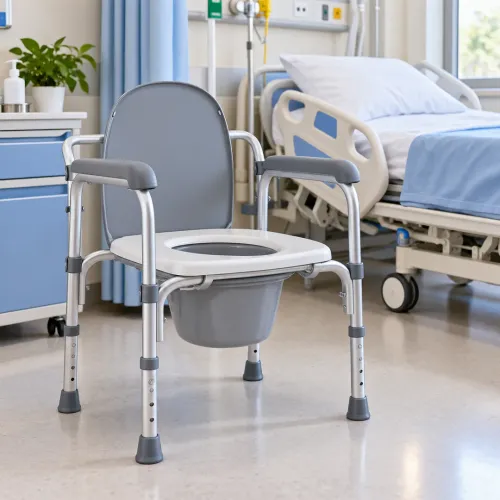
1. Mobility aids: Measure the user’s height, weight, and required support, then check handle-height range, weight capacity, brake action, wheel or tip condition, and performance on the surfaces used at home. A wrongly adjusted cane or walker can change posture and reduce stability.
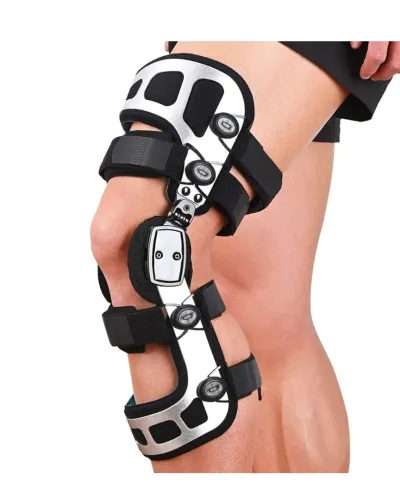
2. Orthopedic supports: Match the product’s size chart to the body measurement, then test adjustment range, secure fastening, joint clearance, and circulation around the supported area. A brace that slips, causes numbness, or blocks the intended movement is a poor purchase at any price.
3. Pressure-relief products: Choose the cushion or mattress according to mobility, posture, moisture exposure, skin condition, repositioning ability, and bed or wheelchair compatibility. Check cover cleanability and dimensions, and plan regular skin checks and repositioning; the surface does not remove those tasks.
4. Powered equipment: Confirm the exact model, serial or lot number, current instructions, safety notices, guards, controls, charging requirements, battery condition, and service access. Check recall and adverse-event databases, but treat reports as signals rather than proof of causation; no report does not prove safety.
For used equipment, request electrical-safety testing, cleaning records, refurbishment history, software support, and remaining warranty.
After these checks, compare batteries, consumables, replacement parts, training, servicing, warranty coverage, delivery, and downtime. A cheaper device can cost more when repairs or compatible parts are difficult to obtain.
When can affordable medical products cost more to own?
Affordable medical products can cost more to own when servicing, supplies, downtime, or support are excluded from the quote. Compare the purchase price with the cost of keeping the product safe and usable for its expected service life.
| Cost area | Ask the supplier to state | Cost that a low quote can hide |
|---|---|---|
| Maintenance | Service interval, inspection tasks, and labour charge | Missed servicing, unsafe operation, and unexpected call-out fees |
| Consumables | Item name, replacement frequency, and unit price | Repeated spending on filters, pads, tubing, or cuffs |
| Batteries | Type, charging time, expected life, and replacement price | A failed proprietary battery making the device unusable |
| Cleaning | Approved disinfectant, cleaning time, and removable parts | Damage from incompatible chemicals or extra staff time |
| Repairs | Common replacement parts, labour rates, and repair turnaround | Long downtime when parts are unavailable |
| Used equipment | Refurbishment record, electrical-safety test, accessories, software support, and remaining warranty | A cheap device that cannot be safely returned to service |
| Delivery | Freight, installation, assembly, and collection of packaging | Extra charges or equipment arriving unusable |
| Training | Included sessions, attendees, materials, and refresher cost | User errors, poor setup, and avoidable damage |
| Supplier support | Contact method, response time, warranty process, and loan equipment | Extended downtime with no practical escalation route |
Whether you are reviewing a quote from V. Karan Pharma or another supplier, request these details in writing and calculate a one-year and three-year total. For powered equipment, include charging failures and battery replacement; for used equipment, reject a saving that depends on missing test records or unavailable parts.
What scorecard can you use before choosing a healthcare product?
Use a weighted scorecard before choosing: translate your specifications, user requirements, ownership costs, safety checks, and supplier answers into scores from 0 to 5. Give non-negotiable safety or compatibility failures a zero, regardless of healthcare product value or medical product price comparison results.
| Criterion | Evidence to record | Score |
|---|---|---|
| Fit and function | Required dimensions, load, adjustment range, capacity, cleaning method, and user tasks | 0–5 |
| Whole-life cost | Purchase price plus consumables, batteries, parts, servicing, training, delivery, warranty, and downtime | 0–5 |
| Safety | Instructions, guards, warnings, maintenance schedule, foreseeable misuse, and residual risks | 0–5 |
| Healthcare product quality | Inspection records, performance data, complaint history, and product-specific testing | 0–5 |
| Support | Parts availability, repair turnaround, warranty exclusions, and written supplier answers | 0–5 |
Ask the supplier for the exact model, serial or lot format, current instructions for use, warranty terms, and service contacts. Check recall and adverse-event databases, but treat a report as an investigation lead, not proof of causation; no report does not prove safety.
Record why each score was awarded and multiply it by your chosen weight. ISO 14971 shows that hazards and residual risks were managed, not eliminated. ISO 13485 covers the manufacturer’s quality system, while FDA 510(k) clearance generally shows substantial equivalence, not superior comfort, durability, or value.
Choose affordable medical products only after the evidence supports the highest usable score.
Frequently asked questions
What does healthcare product value include besides the purchase price?
Include delivery, consumables, batteries, replacement parts, servicing, training, expected downtime, and warranty-covered costs. Divide the remaining whole-life cost by useful service months, treatment sessions, or patient uses.
Which evidence makes a medical product price comparison meaningful?
Compare written specifications, warranty terms, service arrangements, replacement-part availability, consumable requirements, delivery charges, and expected operating costs. Use the same ownership period or number of uses for every product.
How do fit, safety, and daily use affect healthcare product quality?
A product delivers better value when it fits the user, includes appropriate safety features, has clear instructions, and remains practical during daily use. Poor fit or difficult operation can reduce effective use and increase risk.
When can affordable medical products cost more to own?
A lower-priced product can cost more when it needs frequent consumables, batteries, repairs, training, replacement parts, or extended downtime. Add those costs before deciding that the purchase price is affordable.
What scorecard can you use before choosing a healthcare product?
Score each option for whole-life cost, fit, safety, ease of daily use, warranty coverage, service access, replacement parts, consumables, and downtime risk. Compare totals alongside the purchase price.