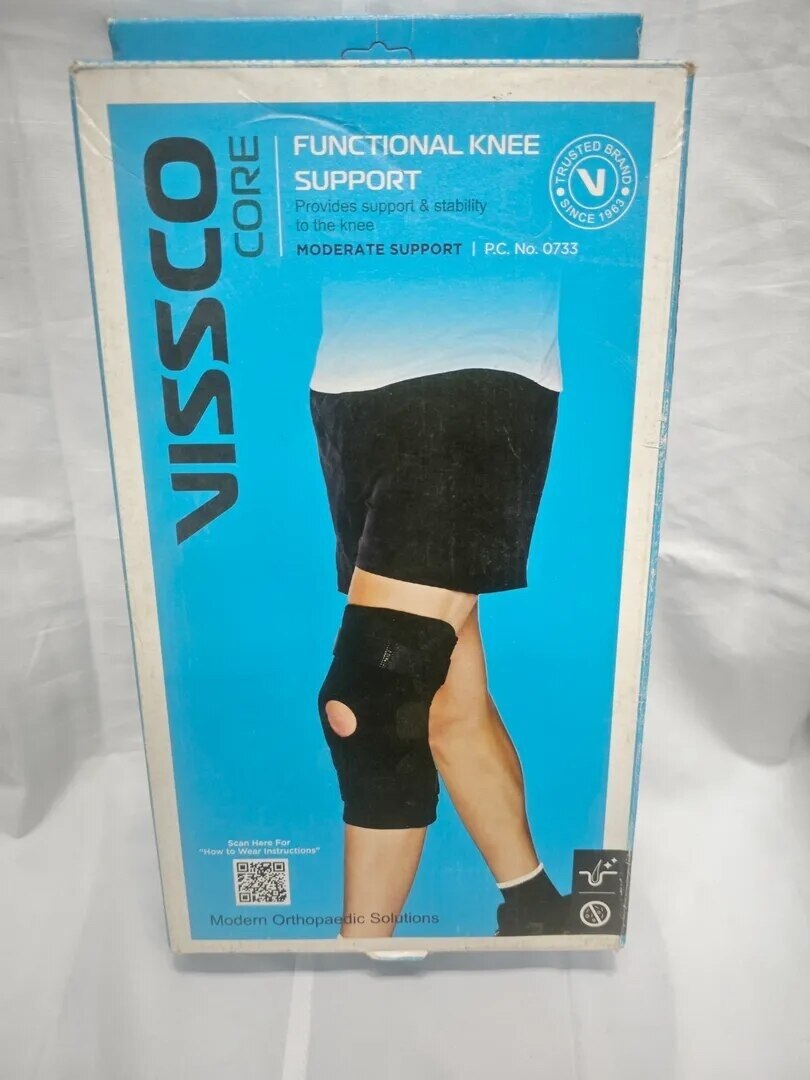
A knee cap can provide warmth, compression, sensory feedback, or motion control, but the benefit depends on the design and the problem you are trying to manage. By the end, you will know which support fits your symptoms, how to measure and wear it safely, and when customized fabrication or medical assessment is more appropriate.
Key takeaways
- Choose support by need: warmth, patellar guidance, motion control, or load reduction.
- Stop wearing it if numbness, swelling, skin color changes, or worsening pain appear.
- Measure your knee as instructed and check fit without restricting circulation.
- Choose customized support when standard braces fail to control symptoms or match your anatomy.
What Benefit Does Each Type of Knee Support Provide?
A “knee cap” is not one clinical product. The knee cap benefits depend on whether you need warmth and sensory feedback, patellar guidance, motion control, or reduced load on a damaged compartment.
| Option | Main benefit | Limitation or best match |
|---|---|---|
| Elastic knee sleeve | Mild compression, warmth, and proprioceptive feedback; can make the knee feel more secure | Does not repair a torn ligament or meniscus and provides less motion control than a hinged brace |
| Patellar strap | Pressure below or around the patellar tendon to guide load and reduce focal tendon discomfort | Does not stabilize major ligament injuries |
| Open patella knee support | Compression around the joint while leaving the kneecap exposed; may assist patellar tracking and comfort | Does not correct serious instability or structural damage |
| Hinged brace | Side hinges guide or restrict motion after ligament injury or during selected sports and recovery | Requires correct fitting; it is not automatically suitable for every painful knee |
| Rigid or unloader orthosis | Firm control or corrective force; an unloader targets load in one knee compartment | Best suited to symptomatic, predominantly one-compartment osteoarthritis with a matching alignment pattern |
An unloader is less useful for diffuse pain, multi-compartment osteoarthritis, or a brace that slips out of position. A sleeve may improve confidence during activity, but claims that it prevents every sports injury are not established.
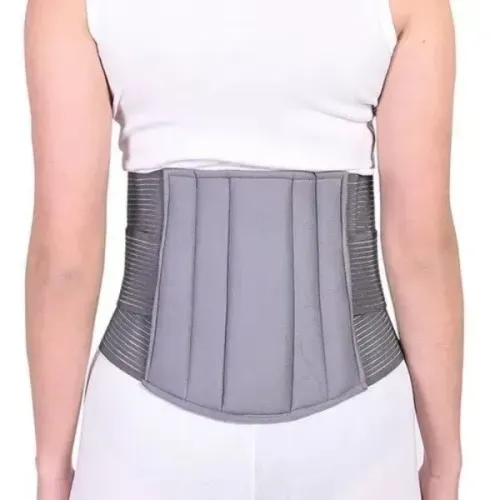
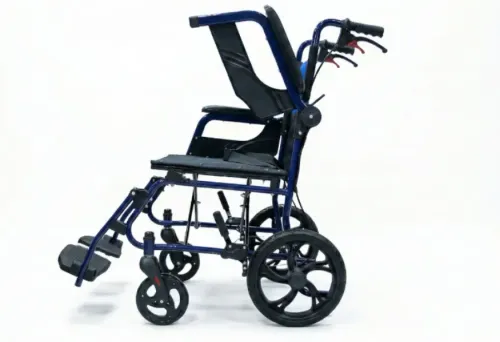
These supports are different from an L.S. belt, magnetic belt, corrective shoe, scoliosis brace, or walker. Magnets are not an established knee treatment, and circulation claims should not replace diagnosis or rehabilitation. A walker changes walking support and balance; it does not provide knee compression or patellar guidance.
When Is a Knee Cap Suitable—and When Is It Unsafe?
A knee cap is suitable when it improves a specific problem without hiding a dangerous one. An elastic sleeve can provide warmth, compression, and position awareness for mild activity-related discomfort or sports use.
A patellar tracking support can help when kneecap movement contributes to pain, while a hinged brace is more appropriate for selected ligament injuries and should be fitted to the injury and stability needs.
For knee osteoarthritis, knee support for osteoarthritis can reduce pain and improve function for some people, especially when an unloader design matches the affected compartment and alignment. It does not restore lost cartilage or replace strengthening, exercise, weight management where relevant, or other treatment.
A sleeve alone is not a substitute for assessment when the knee gives way, and compression needs extra caution with reduced sensation, diabetes-related neuropathy, fragile skin, or circulation problems.
A postoperative knee brace must follow the surgical team’s instructions. The team sets the range-of-motion limits, wearing schedule, and weight-bearing plan; changing a locked setting or walking without permission can disrupt healing.
Seek assessment rather than self-fitting a brace for these knee injury red flags:
- Suspected fracture, visible deformity, a locked knee, major swelling after trauma, instability, or inability to bear weight
- A hot, red joint with fever
- Sudden numbness, pale or blue skin, or loss of circulation
- A swollen, painful calf with breathlessness
Persistent pain, worsening symptoms, or pain that disappears only because a brace masks it during exercise needs evaluation.
How Do You Measure, Fit, Wear, and Care for a Knee Support?
Start with the manufacturer’s size chart, not your clothing size. To learn how to measure for a knee cap, check whether it requires the joint line, calf, or thigh measurement, then measure at that location; stand if the chart specifies standing. Choose the manufacturer’s size rather than guessing.
1. During knee brace fitting, center the support without twisting. It should provide firm, even compression, never numbness, tingling, coldness, discoloration, sharp pressure, slipping, rolling, or restricted circulation. Remove it and seek advice for persistent altered sensation, increasing pain, marked color change, or cold skin.
2. Position an open-patella opening directly over the kneecap. Place a patellar strap below or around the patellar tendon exactly as its design shows, then walk and bend your knee to check that the support stays aligned.
3. Ask the prescriber or fitter whether to wear it for walking, work, exercise, or recovery; how long each day; whether to remove it during sleep; and how to increase use. Compression requires extra clinical caution with diabetes, reduced sensation, fragile skin, or circulation problems.
4. Inspect your skin after removal, especially if sensation is reduced. Follow the knee support care instructions on the label: wash as directed, air-dry, and store it flat or in its intended shape. Replace it when fabric stretches, frays, loses compression, fasteners fail, or the opening becomes distorted.
A support that feels comfortable at first can become unsafe after swelling, weight, strength, or activity changes. Recheck the fit instead of tightening it.
When Is a Customized Orthopedic Product Worth the Extra Process?
A custom knee brace is worth the extra process when a standard sleeve cannot stay positioned, control the required movement, or protect sensitive skin. Customization starts with your diagnosis and activity review, limb and joint measurements, alignment and range-of-motion assessment, and selection of materials, hinges, straps, padding, and unloading settings.
| Option | Time and cost | Convenience and fit |
|---|---|---|
| Custom orthosis | More visits and higher fabrication cost | Precise fit, with fitting visits and custom brace adjustment |
| Off-the-shelf sleeve | Faster purchase and lower initial cost | Easy to replace, but limited shaping and greater risk of slipping |
Custom fabrication suits an unusual limb shape, substantial deformity, postoperative requirement, recurrent migration, pressure concern, or a specific motion-control or unloading need. It is not automatically more effective and cannot guarantee pain relief. After surgery, use only the prescribed lock, range-of-motion setting, wearing schedule, and weight-bearing plan.
- What diagnosis and activity is this product intended for?
- Who takes measurements and provides orthosis fitting?
- Which materials, hinges, padding, and straps suit my skin sensitivity?
- How do I clean it, obtain replacement parts, and request adjustments?
- When is the review date, and what happens if it slips or causes pressure?
Swelling, weight, surgery, muscle strength, alignment, or gait changes can require reassessment or replacement. If you contact V. Karan Pharma, bring your diagnosis, prescription, measurements, and activity requirements, then confirm who handles measurement and follow-up.
Related products
 | Customize Product Customized Magnetic Belt is designed to provide effective support and relief from back pain, muscle stiffness, and joint discomfort. View product → |
 | Customize Product L.S. Belt Customized L.S. Belt (Lumbo Sacral Belt) is designed to provide firm support to the lower back and spine, helping reduce pain, strain, and discomfort... |
How Should Knee Support Fit Into Rehabilitation and Daily Mobility?
A knee cap is temporary activity support, not an all-day substitute for diagnosis, rehabilitation, or strength work. For patellofemoral pain, exercises targeting the quadriceps and hip muscles have stronger support than relying on a sleeve alone. Use a knee support during exercise only when it improves symptoms and does not replace knee rehabilitation support.
| Option | Main role | Best comparison |
|---|---|---|
| Elastic sleeve | Warmth, mild compression, sensory feedback | Short-term comfort during activity |
| Brace | Motion guidance or restriction | Useful when instability or painful movement needs control |
| Quadriceps and hip strengthening | Builds movement capacity | More important than a sleeve alone for patellofemoral pain |
| Walking aid | Reduces load and improves balance | Better than tightening a support when walking is difficult |
Knee brace and physiotherapy work together: the brace can reduce symptoms while you practise prescribed exercises. For osteoarthritis, combine support with exercise, weight management where relevant, footwear changes, and activity adjustment; a brace may improve pain and function but cannot reverse cartilage loss.
For one painful or weak knee, hold a cane for painful knee symptoms in the hand opposite the affected leg. Advance the cane and affected leg together, then step through with the stronger leg.
Get the height set correctly and learn the sequence from a clinician or trained fitter; the wrong side or height can worsen balance.
Arrange reassessment if pain persists, function declines, the support no longer fits, or symptoms change. Do not tighten it or increase wear time instead of seeking review.
Frequently asked questions
What benefit does each type of knee support provide?
A soft sleeve provides warmth and sensory feedback; a patellar support guides the kneecap; hinged braces control motion; unloader braces reduce pressure on one knee compartment.
When is a knee cap suitable, and when is it unsafe?
Use a knee support for mild symptoms when it does not worsen pain or restrict circulation. Stop and seek clinical advice for numbness, color changes, increasing swelling, severe pain, or suspected fracture or infection.
How do you measure and fit a knee support?
Follow the manufacturer’s measurement point, usually the knee circumference at a specified distance from the kneecap. It should stay in place without slipping, pinching, causing numbness, or leaving deep marks.
When is a customized orthopedic product worth the extra process?
Customization is worthwhile when your anatomy, deformity, surgical recovery, instability, or activity needs are not addressed by a standard size and design.
How should knee support fit into rehabilitation and daily mobility?
Use the support alongside prescribed exercises, walking progression, and strength work. It should assist movement rather than replace rehabilitation or mask worsening symptoms.