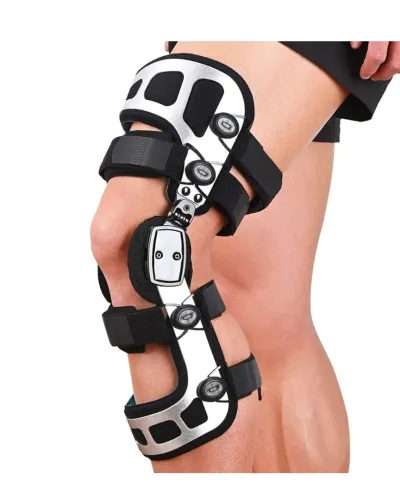
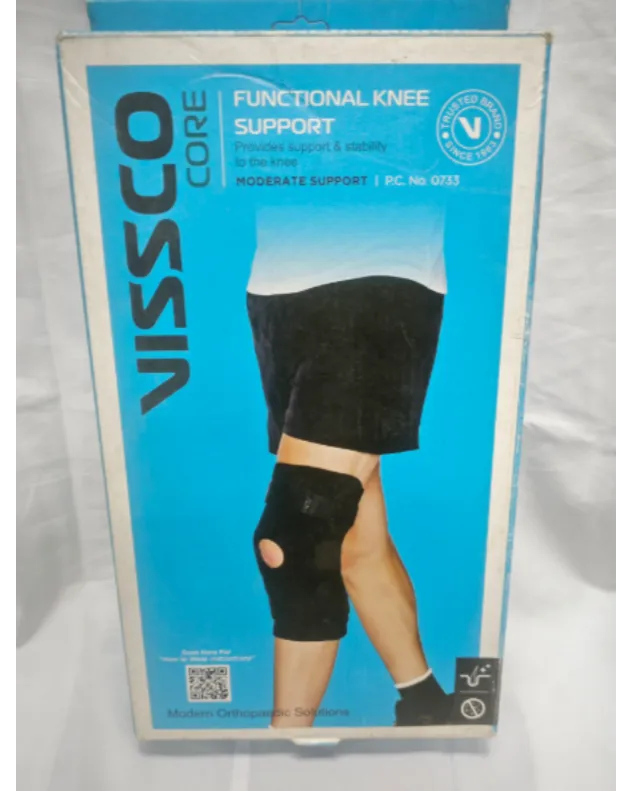
A Knee Cap for Orthopedic Joint Support may look like a relatively simple healthcare product, but hospital procurement managers often have several variables to consider before adding one to inventory. Size, compression, material, construction, comfort, intended application, maintenance, and supply continuity can all affect whether the product is suitable for routine institutional requirements.
A structured comparison helps procurement teams avoid selecting orthopedic supports on price alone.
Begin With the Intended Application
Knee supports are not necessarily interchangeable.
Products may be designed to provide general compression, mild support, warmth, or additional stabilization. More specialised knee braces may have different structures and clinical applications.
Before placing an order, the procurement team should identify what clinicians or departments actually require.
A general knee cap should not automatically be substituted for a specialised brace simply because both products are worn around the knee.
Compare Material and Construction
Material affects comfort as well as routine usability.
Depending on the product design, buyers may evaluate characteristics such as elasticity, breathability, softness against the skin, seam construction, and the ability to retain shape after normal use.
Hospitals purchasing for multiple patients should also consider how easily staff can identify product sizes.
Clear size markings reduce the chance of incorrect issue from stores.
Size Range Can Be More Important Than Bulk Quantity
One common procurement problem is buying substantial stock without matching quantities to actual size demand.
For example, if most patients require medium and large sizes but purchasing is divided equally across every available size, slow-moving inventory may accumulate.
Historical issue data can provide a better purchasing guide.
Procurement managers can analyse:
- Which sizes are requested most frequently
- Average monthly issue quantity
- Which departments request the product
- Current stock by size
- Supplier replenishment time
- Expected changes in patient volume
This produces a more useful inventory mix.
Compression Should Not Mean Excessive Tightness
A knee cap needs an appropriate fit to provide support as intended.
Excessive tightness can cause discomfort, while a loose product may slip or fail to provide suitable compression. Correct measurement according to the product's sizing guidance is therefore important.
Hospitals can improve patient-use instructions by ensuring sizing information is readily available to the departments issuing orthopedic supports.
Consider Maintenance Requirements
Reusable supports need suitable care.
Procurement teams can review the manufacturer's cleaning instructions and communicate them where relevant. Washing or drying a support incorrectly may affect elasticity or material condition.
If a hospital is evaluating different knee-cap options, ease of maintenance can be included alongside price, construction, sizing, and availability.
Unit Price Does Not Show the Complete Value
A purchasing comparison becomes more meaningful when it looks beyond the initial quotation.
A slightly cheaper product may be less useful if size availability is inconsistent, specifications frequently change, or replenishment is unreliable.
Institutional value can instead be assessed using several factors together:
Product suitability + consistent specifications + usable size mix + supply reliability + reasonable cost
This approach is particularly relevant for busy hospitals in Thane, where stores may support orthopedics, physiotherapy, emergency care, and outpatient requirements.
Ask the Supplier Practical Questions
Before establishing a regular purchasing arrangement, procurement managers can ask:
- What sizes are currently available?
- Are specifications consistent across repeat supplies?
- What packaging quantities are offered?
- What is the normal replenishment time?
- Are product and invoice descriptions clear?
- Can mixed-size requirements be supplied?
These questions reveal more about purchasing suitability than price alone.
V Karan Pharma serves healthcare product requirements in Thane, including orthopedic and patient-support supplies. Institutional buyers can review knee-cap specifications and ordering requirements according to expected usage.
Build a More Useful Orthopedic Inventory
The right Knee Cap for Orthopedic Joint Support is not simply the cheapest option or the product available in the largest quantity. It should correspond to the intended use, fit requirements, and operational needs of the healthcare facility.
For hospitals and medical establishments across Thane and Maharashtra, comparing sizing, material, comfort, maintenance, availability, and overall procurement reliability can create a more practical orthopedic-support inventory and reduce unnecessary stock complications.
Keywords