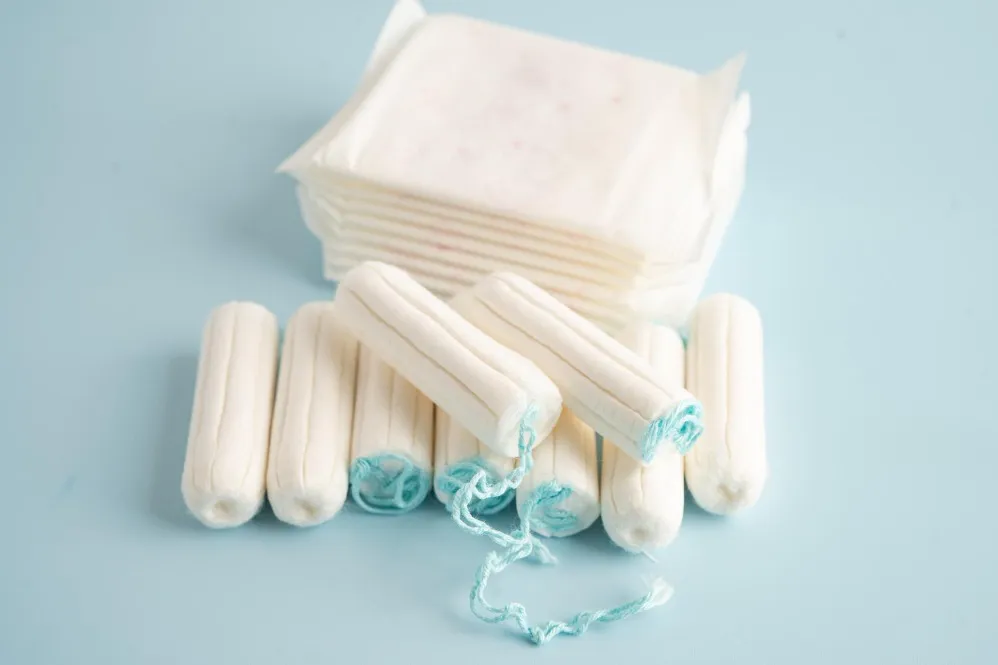
Maintaining menstrual hygiene is essential for comfort, confidence, and overall well-being. Choosing the right Sanitary Pads for Comfortable Feminine Hygiene Care helps women manage their daily routines with greater ease while supporting proper hygiene practices. From hospitals and pharmacies to schools, workplaces, and healthcare institutions, sanitary pads remain one of the most essential personal care products.
Healthcare providers and procurement managers in Thane understand the importance of sourcing reliable hygiene products that meet quality expectations while ensuring consistent availability for patients, staff, and community healthcare programs.
Why Quality Sanitary Pads Matter
Sanitary pads are designed to absorb menstrual flow while helping users stay dry and comfortable throughout the day. A well-designed product can minimize discomfort, reduce leakage, and support better hygiene during menstruation.
Whether supplied in hospitals or distributed through public health initiatives, product quality has a direct impact on user comfort and confidence.
Features to Consider When Selecting Sanitary Pads
Not every sanitary pad is suitable for every requirement. Healthcare providers often recommend choosing products based on comfort, absorbency, and intended usage.
Important features include:
High Absorbency
Pads with good absorbency help manage different flow levels while reducing the need for frequent changes.
Soft Surface Material
A soft top layer improves comfort and helps minimize skin irritation during extended wear.
Secure Fit
Proper adhesive backing helps keep the pad in place throughout daily activities.
Breathable Design
Breathable materials improve airflow and contribute to greater comfort.
Applications Beyond Personal Use
Sanitary pads are commonly stocked in:
- Hospitals
- Nursing homes
- Educational institutions
- Corporate offices
- Industrial workplaces
- Community healthcare centres
- Pharmacies
Providing access to quality menstrual hygiene products supports health awareness and workplace well-being.
Good Hygiene Practices
Using sanitary pads correctly contributes to better menstrual hygiene.
Recommended practices include:
- Change pads regularly based on flow.
- Wash hands before and after changing.
- Dispose of used pads responsibly.
- Store unused products in a clean, dry place.
- Select products appropriate for individual comfort and flow.
Simple hygiene habits help reduce discomfort and maintain cleanliness.
Procurement Considerations
Healthcare procurement teams typically assess sanitary pads using several practical criteria.
These include:
- Product quality
- Absorbency performance
- Packaging hygiene
- Consistent availability
- Bulk supply options
- Delivery reliability
- Shelf life
Reliable procurement helps organizations maintain uninterrupted access to essential hygiene products.
Supporting Women's Health in Thane
Healthcare institutions, educational organizations, and employers across Thane continue to increase their focus on menstrual hygiene awareness. This growing emphasis has led to higher demand for dependable sanitary products that support both individual health and organizational hygiene initiatives.
Working with local suppliers can also improve inventory planning and reduce procurement delays.
Selecting a Dependable Medical Supplier
Healthcare providers often prefer suppliers capable of delivering pharmaceutical, surgical, and hygiene products through a consistent supply chain.
V Karan Pharma supplies hospitals, pharmacies, healthcare institutions, and medical professionals in Thane with a wide range of pharmaceutical and surgical products. Consistent product availability helps organizations maintain essential healthcare and hygiene supplies throughout the year.
Sanitary pads are more than everyday hygiene products. They contribute to comfort, dignity, and better menstrual health. Choosing quality products from dependable suppliers supports healthcare organizations in meeting the everyday needs of patients, employees, and communities.
Keywords