The right mobility aid depends on what the user can safely do, not only on age, diagnosis, or how often they fall. By checking weight-bearing ability, balance, measurements, surroundings, and operating skills, you can avoid buying a device that increases effort or creates a new fall risk.
Key takeaways
- Match the aid to balance, strength, endurance, weight-bearing, or transport needs.
- Set stick and walker handles level with the user’s wrist crease.
- Confirm wheelchair seat width, depth, footrests, brakes, and weight capacity.
- Test every brake, tip, wheel, joint, and fastener before accepting delivery.
Which mobility aid matches the user’s actual need?
Choose the aid by asking whether the user needs balance, leg-strength support, endurance, weight-bearing help, or transport. Active walking support and transport are different goals.
| Option | What it provides | When it fits |
|---|---|---|
| Single-point walking stick | Least support; held opposite the weaker or painful leg and moved forward with that leg | Mild balance or one-leg weakness |
| Quadripod walking stick | Wider base and more standing stability | More support than a single-point stick, while still walking independently |
| Walking stick with a seat | A place for planned rests | Outings where endurance is limited; it does not replace a stable walking aid |
| Walker | Support through both arms while standing and stepping | The user can stand and step but needs substantial balance or leg-strength assistance |
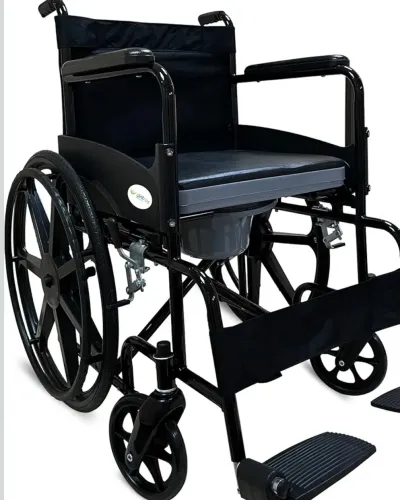
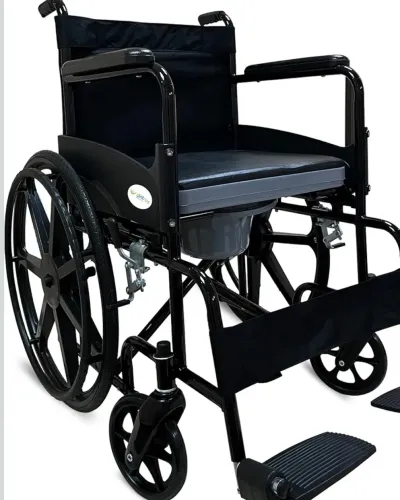
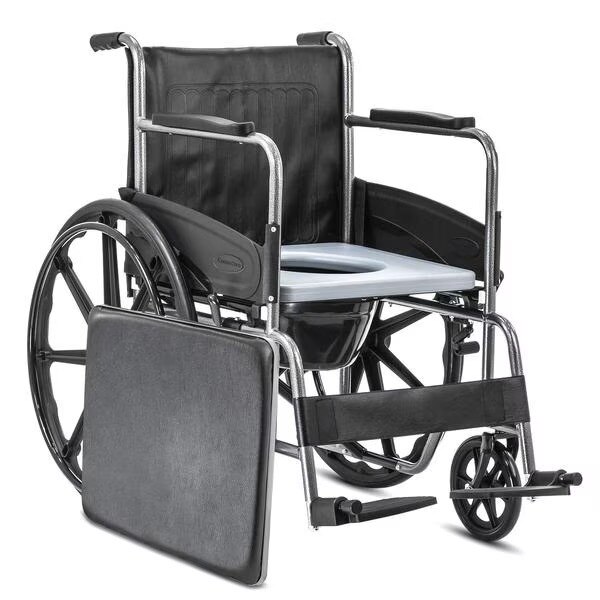
| Wheelchair | Seated transport when walking is unsafe or too tiring | The user cannot walk far or safely enough for the journey |
A wheelchair versus walker decision depends on purpose: choose a walker when gait practice, transfers, or prescribed weight-bearing rehabilitation is the goal. A wheelchair is the wrong first choice if sitting would prevent required walking practice or make transfers weaker.
Arrange assessment by a clinician or physical or occupational therapist before buying when there are:
- New falls, dizziness, fainting, or rapidly worsening weakness
- Inability to bear the prescribed weight
- Pulling on furniture or the aid to stand
A wheeled walker is not automatically safer; uncontrolled rolling creates danger for anyone who cannot manage speed, direction, or brakes.
How do you fit a walking stick or walker to the user?
Measure walking stick height or walker height adjustment with the user standing upright in usual shoes and arms relaxed. Set the handgrip approximately level with the wrist crease, then check posture while the user grips the aid.
1. Check the elbow bend angle: about 15 to 30 degrees for a cane or walking stick, and about 15 to 20 degrees for a walker. A handle set too high raises the shoulder; one set too low causes stooping and weakens control.
2. With a standard pick-up walker, ask the user to lift and place the frame forward without twisting. They should step into the walker, not walk behind it or reach far ahead. Confirm that all four legs or wheels contact the floor together.
3. Inspect the handgrip diameter, adjustment holes, locking pins, rubber ferrules, and frame width. A grip that is too wide, missing pins, or worn ferrules can make a correctly measured device unsafe.
4. Test the fit in real surroundings before purchase. Confirm that the aid works with the user’s usual shoes and clears the narrowest doorway, toilet area, shower entrance, and bathroom route.
Have the user walk, turn, stop, and sit if the device is intended for those tasks. If posture collapses, the shoulders lift, the frame twists, or the user cannot control the aid, do not accept the height as correct; request fitting from a physical or occupational therapist.
Which walker design can the user control safely?
Choose the walker the user can start, stop, turn, and secure—not simply the one that moves most easily.
| Design | Main advantage | Safety test |
|---|---|---|
| Standard pick-up walker | Strongest stability without rolling | Ask the user to lift and place it forward without twisting or losing balance. They must step into the frame, not push it far ahead or walk behind it. |
| Two-wheel walker | Easier forward movement with rear rubber tips | Confirm the user can control its forward travel and stop without the frame running away. |
| Four-wheel rollator | Faster walking and easier turning on suitable surfaces | Use only when the user can control speed, direction, and hand brakes. Heavy leaning can send it rolling away. |
| Forearm-support walker | Transfers weight from the hands to the forearms | Have a clinician fit the forearm-trough height and alignment; incorrect support can strain the shoulders or reduce control. |
Test hand strength and coordination before buying. Ask the user to start, stop, turn, lock the brakes, sit, and unlock the brakes. Never use a rollator seat as a wheelchair or assume it makes transfers safe.
Inspect these details in the actual environment:
- Brake cables and levers, seat stability, wheel diameter, rubber tips, frame width, folding latch, and clearance through doors and bathrooms.
- Uneven ground, small wheels, slopes, and uncontrolled braking; these can catch or roll unexpectedly.
- Whether the user needs to lean heavily through the frame. That requirement rules against a rollator unless a professional approves it.
What wheelchair measurements and safety details must you verify?
Measure the widest part of the hips or thighs while seated. Choose a wheelchair seat width that avoids compression but does not leave excessive side space for sliding. For wheelchair seat depth, measure from the back of the pelvis to behind the knee; leave clearance at the front edge while supporting the thigh.
Check back height, armrest height, footrest or legrest length, and footrest clearance. Measure the chair’s total width with handrims and anti-tip devices fitted, not just the seat width. Then measure every doorway, threshold, ramp, lift, vehicle boot, turning area, and storage location.
| Type | Propulsion | Check before buying |
|---|---|---|
| Self-propelled wheelchair | Large rear wheels and handrims | The user has sufficient arm strength, reach, and coordination |
| Attendant-propelled transport wheelchair | Small rear wheels for pushing | Do not buy it for someone who expects independent propulsion |
Confirm the manufacturer’s complete safe working load. It must include the user, backpack, oxygen equipment, and transfer aids; exceeding it can affect frame strength, braking, casters, and warranty coverage.
- Inspect frame stability, welds, push handles, wheels, casters, parking brakes, footrests, anti-tip protection, folding joints, and adjustment fasteners.
- Select a cushion for posture, skin condition, pressure distribution, transfer ability, and sitting tolerance—not softness alone. A very soft or poorly sized cushion can increase sliding and make transfers harder.
- Arrange a professional seating assessment for reduced sensation, previous pressure injury, persistent pelvic sliding, or difficulty maintaining alignment.
What should you check before accepting a new or used mobility aid?
Accept a mobility aid only after testing it in the places where you will use it, not by folded size or listed weight alone. Check the narrowest doorway, thresholds, bathroom turns, vehicle boot, lift, ramp, and storage area. A wheelchair’s overall width includes its wheels, handrims, and anti-tip devices.
| Option | What to test | Reject when |
|---|---|---|
| Wheelchair | Door clearance, turning, veering, wheel locks, footrests, folding latch, and total load rating | It veers, brakes slip, or the frame will not lock securely |
| Walker | Forward movement, turning, brake operation, adjustment pins, rubber tips, and frame contact with the floor | Tips are split or hardened, pins are missing, or the frame wobbles |
| Walking stick | Tip grip, shaft straightness, height adjustment, and stability on the user’s usual floor | The tip slips, shaft bends, or the adjustment button fails |
For used wheelchair inspection and used walker safety, examine every frame tube and weld for cracks or bends. Operate each wheel lock, inspect tires, casters, fasteners, folding joints, and latches, and confirm replacement parts fit that exact model before paying.
Ask V. Karan Pharma or another supplier for the model number, seat measurements, height range, safe working load including bags or oxygen equipment, wheel and caster sizes, brake type, folded dimensions, included footrests, local servicing, and written mobility aid warranty terms.
Have a clinician or therapist assess the user if symptoms change, falls, dizziness, fainting, worsening weakness, inability to bear prescribed weight, or pulling up on the aid occurs.
Related products
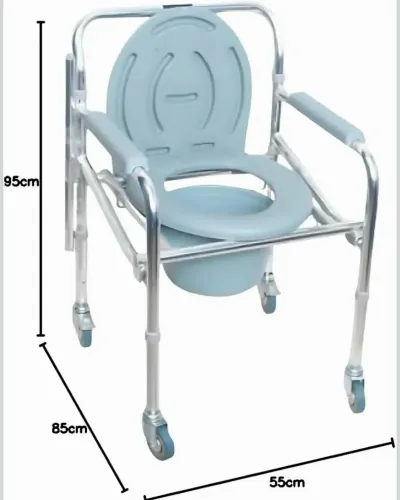
 | Rent Base Products V Karan Pharma, Kalwa Thane, is a dependable supplier of wheelchairs and commode chairs. View product → |
 | Rent Base Products Walker V Karan Pharma, Kalwa Thane, is a trusted supplier of walkers for elderly and patient mobility support. |
Frequently asked questions
How do you choose between a walking stick, walker, and wheelchair?
Choose a walking stick for limited balance support, a walker for greater stability or leg-strength assistance, and a wheelchair when walking is unsafe, too tiring, or intended only for transport. Match the aid to the user’s balance, strength, endurance, and weight-bearing ability.
How should you fit a walking stick or walker?
With the user standing upright in normal shoes and arms relaxed, set the handle near the wrist crease. The elbow should bend slightly when holding it. A physiotherapist should check the height and walking pattern when the user has pain, weakness, or an uneven gait.
Which walker design is safest?
Choose a walker the user can lift, steer, stop, and turn without leaning heavily on it. A standard lift walker suits users who can lift each side; a front-wheeled walker reduces lifting; a rollator requires reliable hand control and brake use.
What wheelchair measurements should you verify?
Measure the user’s hip width while seated and add clearance for clothing, then check seat depth, seat height, back height, footrest position, armrest height, and overall width. Confirm the weight capacity, wheel locks, footrests, and anti-tip features.
What should you inspect before accepting a new or used mobility aid?
Check the frame for cracks, bends, rust, or loose joints. Test brakes and wheel locks, inspect tyres and tips, tighten fasteners, confirm moving parts operate smoothly, and verify the stated weight capacity and included accessories.