A useful first aid kit needs more than a box of plasters: each dressing, antiseptic, glove, and tool has a specific job. By the end, you will know what to pack, which material belongs directly on a wound, how to control bleeding safely, and when home treatment is not enough.
Key takeaways
- Pack sterile gauze, absorbent dressings, bandages, gloves, sanitizer, and waste bags.
- Use sterile gauze for open wounds; keep cotton wool away from broken skin.
- Cover burns with a sterile non-stick dressing after cooling the area with water.
- Replace wet, opened, expired, or unlabeled supplies before the next emergency.
What should a practical home or travel first aid kit contain?
A practical kit needs enough to cover a clean minor cut, controlled bleeding, a small burn, hand hygiene, and waste disposal without turning into a medicine cupboard. Pack small quantities in sealed pouches and replace anything wet, opened, expired, or missing its label.
- Sterile medical gauze pads and one sterile gauze roll
- Adhesive bandages in several sizes
- Non-stick dressings for grazes and minor burns
- Cotton wool and cotton-tipped applicators for cleaning intact skin, not open wounds
- Nitrile gloves, scissors, tweezers, medical tape, and waste bags
- Hand sanitizer containing at least 60% alcohol
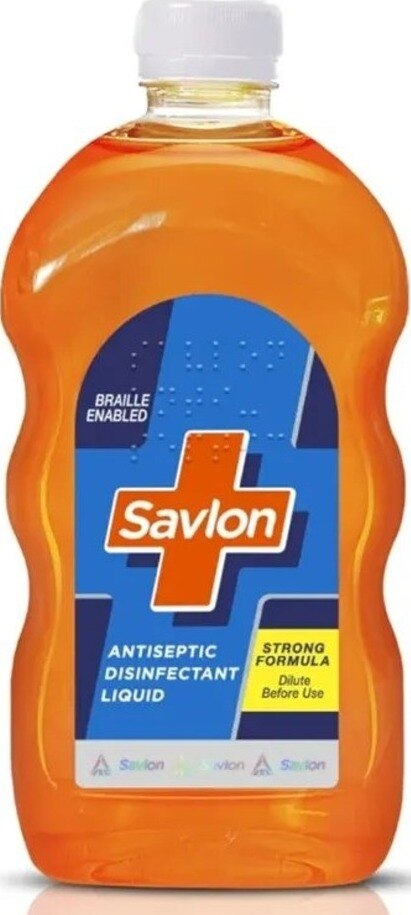
- Betadine or povidone-iodine only for labelled topical use
- A clean plastic bag for separating used materials
| Problem | Choose | Do not use |
|---|---|---|
| Small cut or graze | Adhesive bandage after rinsing; sterile gauze for a larger area | Cotton wool directly on the wound |
| Ongoing bleeding | Sterile gauze pad held with firm pressure; add another pad if blood soaks through | Lifting the first pad repeatedly to inspect it |
| Minor thermal burn | Cool running water for about 20 minutes, followed by a non-stick dressing | Ice, butter, cotton, sanitizer, or antiseptic on the burn |
| Cleanup and protection | Nitrile gloves, soap and water, sanitizer when hands are not visibly dirty, and waste bags | Treating sanitizer as a wound cleaner |
Nonsterile gauze is useful for padding or cleaning intact skin, but medical packaging alone does not make it sterile. Never pour Betadine into a deep wound, eye, or body cavity; check the label, especially for children, pregnancy, thyroid disease, or iodine sensitivity.
How do sterile gauze, cotton wool, and absorbent dressings differ?
Put sterile gauze directly on an open wound. Choose sterile gauze pads for small cuts and burns, or sterile gauze rolls when you need a longer piece for wrapping and securing a larger dressing.
| Material | Best use | Do not use it for |
|---|---|---|
| Sterile gauze pads | Direct contact with small or moderate wounds | Replacing a pressure dressing for severe bleeding |
| Sterile gauze rolls | Covering or wrapping larger wounds; applying continuous pressure | Assuming the roll is sterile without checking its label |
| Non-sterile gauze | Padding, securing a dressing, or wiping intact skin | Direct contact with an open wound |
| Cotton wool | Applying ointment around intact skin or cleaning surrounding skin | Packing a wound; loose fibres can stick to tissue |
| Absorbent dressing | Wounds producing substantial fluid, when its wound-contact surface is suitable | Assuming it is sterile without checking the pack |
A genuinely sterile pack states “sterile” on the sealed individual wrapper and shows a manufacturer name, batch or lot number, and expiry date. Reject it if the seal is open, torn, punctured, wet, dirty, or past its expiry date. Medical gauze is not automatically sterile because it is sold in a first-aid or medical section.
For heavy bleeding, press firmly and continuously with sterile gauze or a clean cloth. If blood soaks through, place more material on top instead of lifting the first layer. Use gloves, and seek urgent medical help for deep, gaping, spurting, or persistent bleeding.
Which dressing should you use for a cut, burn, or bleeding wound?
Use an adhesive bandage for a small, superficial, clean cut with edges that stay together. Choose a different dressing for burns, open or heavily exuding wounds, contamination, punctures, bites, or bleeding that does not stop with firm pressure.
| Dressing | Use it when | Key caution |
|---|---|---|
| Adhesive bandage | A minor cut or scrape is clean and not gaping | Replace it if wet, dirty, loose, or saturated |
| Non-stick dressing | A minor burn or raw wound needs coverage without sticking | Place it after cooling the burn; do not pull it away dry |
| Gauze pad with tape | A larger cut needs absorbency and a dressing that stays in place | Use sterile gauze directly on an open wound; tape the edges, not the wound |
| Elastic bandage | You need light compression around a limb or support over a secured dressing | Do not wrap it directly over an open wound or so tightly that fingers or toes become numb, pale, blue, or cold |
| Pressure dressing | Heavy external bleeding continues after direct pressure | Hold firm, continuous pressure and seek urgent medical help |
For serious bleeding, press a sterile gauze pad or clean cloth firmly against the wound without repeatedly lifting it to inspect. If blood soaks through, add another layer on top; removing the first layer can disturb the clot.
A deep, puncture, bite, contaminated, or widely gaping wound needs medical assessment rather than repeated replacement of small plasters. For a dressing stuck to tissue, moisten it with clean water before removal.
How should you use Betadine, sanitizer, gloves, and burn-care supplies?
For an ordinary cut or graze, rinse it under clean running tap water, wash your hands, wear nitrile gloves if blood is present, remove visible dirt with clean tweezers, and cover the wound with a sterile dressing. Gloves reduce blood contact but do not replace hand hygiene before and after care.
Keep these products within their proper limits:
- Use hand sanitizer on intact hands when soap and water are unavailable. Do not pour it into an open wound; alcohol can sting, damage tissue, and delay healing.
- Betadine contains povidone-iodine, but it is not a substitute for flushing dirt out. Apply it only as the label directs, and never pour it into a deep wound, body cavity, or eye unless a clinician specifically instructs you.
- Stop using povidone-iodine if it causes irritation. Check the label or ask a clinician before use on infants, during pregnancy or breastfeeding, or with thyroid disease, iodine sensitivity, extensive wounds, or repeated exposure.
- For a minor thermal burn, hold the area under cool running water for about 20 minutes as soon as possible. Do not use ice, butter, cotton, hand sanitizer, or antiseptic.
Cover a cooled minor burn with a sterile non-stick dressing. Seek urgent medical assessment for burns that are deep, white or charred, or involve the face, hands, feet, genitals, major joints, a large area, chemicals, or electricity.
How do you apply, replace, and restock first aid dressings safely?
Wrap a gauze roll firmly enough to hold the dressing, not tightly enough to restrict circulation. Leave fingers or toes visible and check their color, warmth, sensation, and movement after securing medical tape; loosen the wrap if they become pale, blue, cold, numb, or increasingly painful.
- Wash your hands and put on nitrile gloves before changing a dressing. Clean your hands again afterward.
- Use sterile gauze directly on an open wound; reserve nonsterile gauze for padding or securing. Do not use cotton wool on an open wound because loose fibers can stick to tissue.
- Remove a dressing that is wet, dirty, loose, or saturated. If it sticks, moisten it with clean water and lift it slowly.
- For heavy bleeding, press continuously. If blood soaks through, place fresh gauze on top and keep pressing; do not pull away the first layer.
- Use clean tweezers for visible grit, scissors to cut tape or gauze, and waste bags for used dressings and gloves.
Restock after every use and during a monthly check. Confirm sterile packs are sealed, dry, and within their expiry date; replace damaged or opened packs. Keep spare gauze, tape, gloves, adhesive bandages, and waste bags together.
If you obtain an oxygen machine through V. Karan Pharma, store its supplies separately so dressings remain clean and easy to find.
Frequently asked questions
What should a practical home or travel first aid kit contain?
Pack small quantities of sterile gauze, absorbent dressings, adhesive bandages, gloves, sanitizer, Betadine, burn-care supplies, scissors, tape, and waste bags in sealed pouches.
How do sterile gauze, cotton wool, and absorbent dressings differ?
Sterile gauze is suitable for covering or cleaning an open wound, cotton wool is best for applying products around intact skin, and absorbent dressings hold more wound fluid.
Which dressing should you use for a cut, burn, or bleeding wound?
Use an adhesive bandage for a small clean cut, sterile gauze with firm pressure for controlled bleeding, and a sterile non-stick dressing for a minor burn.
How should you use Betadine, sanitizer, gloves, and burn-care supplies?
Use sanitizer before care when soap and water are unavailable, put on gloves, follow the Betadine label, and cool a minor burn under clean running water before covering it.
How do you apply, replace, and restock first aid dressings safely?
Wash or sanitize your hands, use clean gloves, avoid touching the dressing surface, replace a dressing when wet or soiled, and restock after every use.