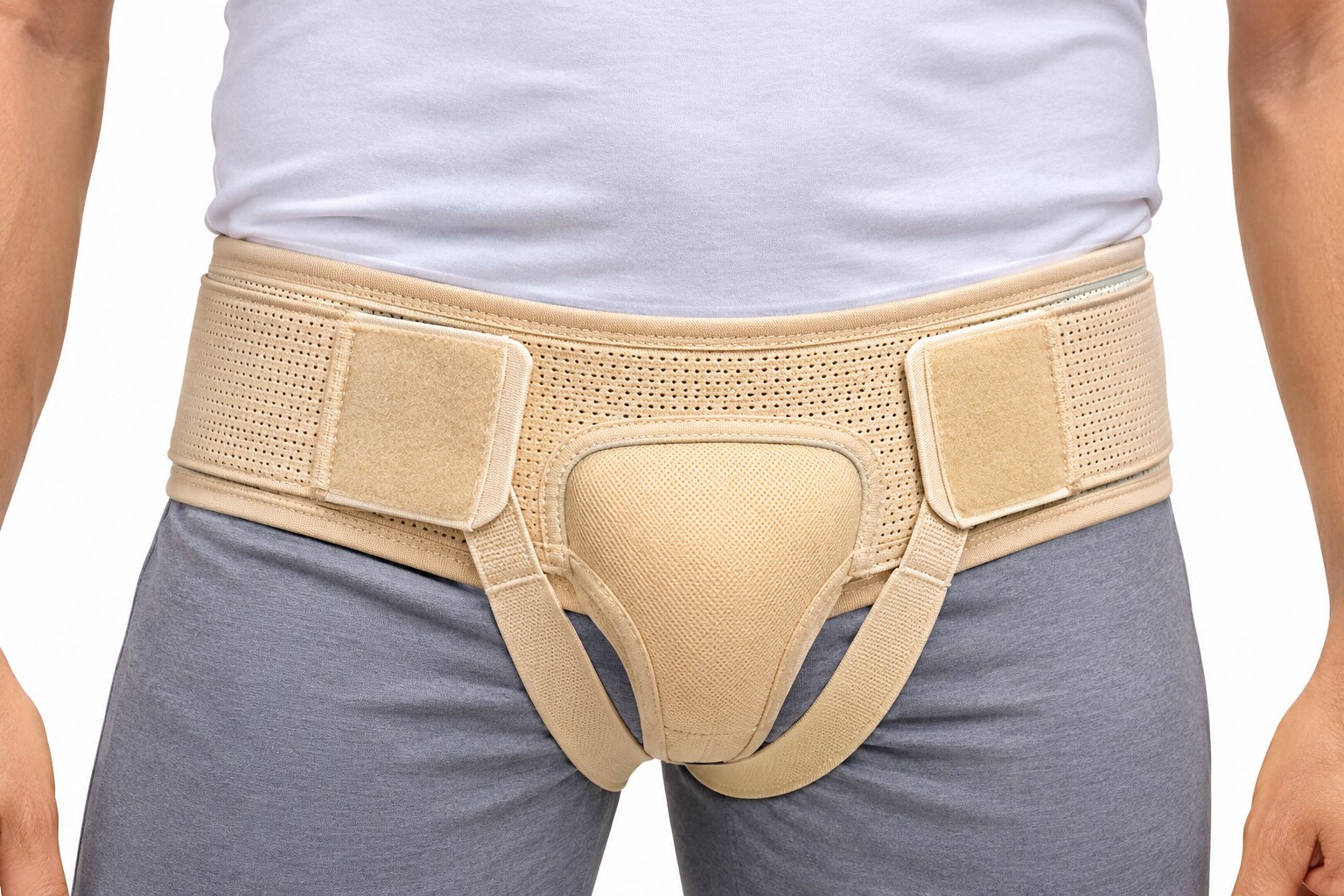
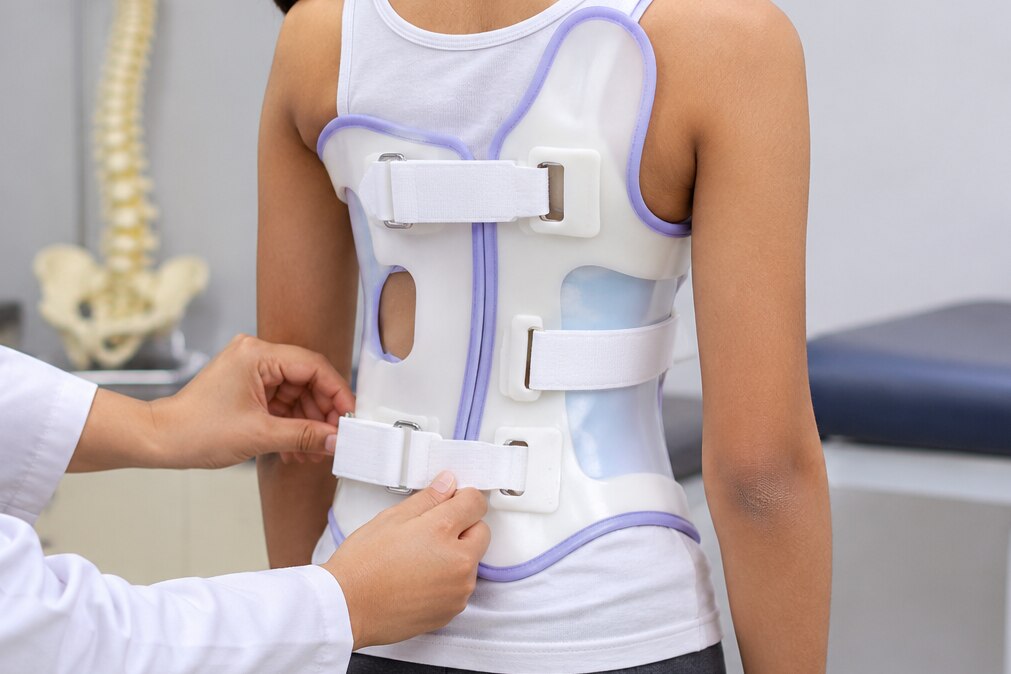
“Scoloci brace” is not a standard clinical name, so the first task is to identify the prescribed brace design, the curve it must treat, and the professional responsible for fitting it. By the end, you will know what happens before, during and after the appointment, which records to bring, and which questions to ask about adjustment, wear time and follow-up.
Key takeaways
- Confirm the prescribed brace design, diagnosis and orthotist before fitting.
- Bring medical reports, imaging and comfortable close-fitting clothing.
- Expect pressure-point checks, movement tests and instructions for wearing the brace.
- Schedule reviews as your child grows or discomfort, skin marks or slipping appear.
What Does “Scoloci Brace” Mean Before the Appointment?
A “Scoloci brace” usually means a scoliosis brace, not a recognised model name. The phrase may describe a provider-specific fitting service, so confirm the prescribed design, diagnosis and orthotist rather than assuming a standard device. The prescription is often for a thoracolumbosacral orthosis (TLSO), including a custom-moulded or Boston-style brace.
1. Ask which brace design is prescribed, why it is indicated, and who will perform the fitting. “Scoloci brace fitting” alone does not identify the device, appointment method or clinical plan.
2. Confirm that the orthopaedic surgeon or spine specialist made the bracing decision. The clinician reviews a standing full-spine X-ray, Cobb angle, curve pattern, skeletal maturity, remaining growth and evidence of progression. Growing children and adolescents with curves commonly around 25–40 or 45 degrees, or curves that are progressing, may be considered for bracing.
3. Treat “scoloci brace hydrogen” as a search phrase, not evidence of hydrogen treatment or a chemical mechanism. Ask for the written prescription and orthotist’s documentation.
The answer to how scoloci brace works is mechanical: corrective pads apply directed pressure, relief zones let the trunk shift away, and contact areas guide three-dimensional alignment and rotation. Uneven shoulders or a waist seen in a mirror cannot establish the Cobb angle or show whether bracing is suitable.
What Happens from Clinical Review to Trial Placement?
At a scoloci brace fitting, the orthotist moves from medical review to measurements, then tests the brace on your body.
- The appointment starts with your history: diagnosis, pain, previous treatment, growth changes and earlier brace use.
- The orthotist reviews the prescription and standing full-spine X-ray images or report, including the Cobb angle, curve pattern and skeletal maturity. This confirms which curves require correction; shoulder or waist unevenness cannot establish the Cobb angle.
- You stand for a posture, skin and spinal assessment. The orthotist records height and weight, checks pelvic landmarks, and assesses shoulder level, rib prominence, waist asymmetry and trunk balance.
- Measurements can include trunk circumference, waist and hip dimensions, plus distances that position trim lines and corrective pads. Follow instructions about whether to wear bare skin, a close-fitting shirt or another specified layer.
The measurement method affects how the brace is selected or made.
| Method | What happens | Practical point |
|---|---|---|
| Digital scan | Captures a three-dimensional torso shape | Useful for computer-guided design |
| Plaster mould | Forms a physical body model | Requires careful positioning during casting |
| Direct measurement | Records dimensions with a tape and landmarks | Depends on consistent posture |
During trial placement, the orthotist checks pelvic level, breathing clearance, sitting, walking and closure at the prescribed tension. The fitting ends only when you and your caregiver can fasten and remove the brace correctly.
How Does the Brace Correct a Curve Without Permanently Straightening the Spine?
A patient asking how scoloci brace works is asking about controlled pressure, not a device that permanently pulls the spine straight. The brace creates a three-dimensional force pattern:
- Corrective pads press against the rib prominence or the apex of the curve.
- Relief areas give the trunk room to move away from that pressure.
- Trim lines and contact zones guide side-to-side alignment and reduce rotation.
This combination changes how the torso sits inside the brace. It does more than hold the back straight in one plane, and the intended force pattern depends on the curve type and brace design.
During scoloci brace fitting, the orthotist shapes a custom-moulded brace to your torso, pelvic landmarks and curve pattern. An off-the-shelf brace uses standard dimensions, so it is not automatically interchangeable with a custom device.
A Boston-style brace, hyperextension brace or another design can be unsuitable when its pressure pattern does not match the diagnosis, even if it costs less or feels comfortable.
The usual goal is to reduce curve progression while the child or adolescent still has growth remaining. It is not to permanently straighten a mature spine. A brace that looks effective from the outside can still apply the wrong forces, so the treating team may order an in-brace standing X-ray after adaptation.
That image shows whether the curve is responding; the required correction varies by curve pattern and brace design.
What Should You Bring, Expect and Monitor After Fitting?
Bring the records that let the team fit and monitor the brace accurately, then leave with written wear and safety instructions.
1. Bring the prescription, standing full-spine X-ray report and images, current height and weight, medication list, previous brace records, and details of earlier treatment. Ask for the brace type, prescribed hours per day, adaptation schedule, in-brace X-ray plan, and next review date.
2. Wear time is prescribed in hours, often about 16–23 hours daily. A nighttime brace follows a different schedule. Follow the introduction plan rather than forcing the full target on day one, then practise sitting, walking, school activities, and sleeping in the brace. A thin, close-fitting shirt can reduce rubbing; avoid folds beneath pressure areas.
3. Warmth, stiffness, difficulty sleeping, and pressure marks that fade after removal can occur early. Check the skin every day. Stop and contact the orthotist according to the given instructions if you see skin breakdown, numbness, increasing pain, breathing difficulty, sudden tightness, or redness lasting about 30 minutes or longer after removal.
4. Clean the brace as directed for its material and let it dry before use. Never cut, heat, add padding, or alter straps without professional advice, because a small change can shift corrective forces. Keep these instructions with the equipment when arranging scoloci brace care in thane.
How Do You Plan Scoloci Brace Care in Thane as the Child Grows?
Plan the next growth and radiographic review before the child leaves the fitting appointment. Height, weight, pelvic shape, curve pattern and growth rate change; a growth spurt, damaged strap or closure that no longer reaches the prescribed position can make the brace ineffective or unsafe.
Ask the provider to record these details:
- The prescribing clinician, diagnosis, Cobb-angle report and orthotist responsible for the fitting.
- The brace design, such as a custom thoracolumbosacral orthosis, and the intended daily hours.
- Whether an in-brace standing X-ray is required, and when it will be taken.
- Written adaptation and skin-care instructions, including what to do about persistent redness, pain or pressure.
- Who performs adjustments and repairs, and what to do if the brace becomes too tight or cannot close.
- The date for the next clinical examination, growth assessment and Cobb-angle review.
Follow-up can include a posture and skin check, brace adjustment, repair, height and weight measurement, growth review and periodic standing radiographs. The scoliosis team sets the interval; do not wait for the next appointment if the child develops numbness, breathing difficulty, skin breakdown or sudden tightness.
For someone arranging scoloci brace fitting with Hydrogen Care in Thane, scoloci brace care in Thane depends on the named clinician and orthotist, not the search phrase scoloci brace hydrogen.
V. Karan Pharma can help clarify the equipment pathway in Kalwa and Thane, while the orthopaedic surgeon or spine specialist decides whether bracing remains appropriate and how the curve is monitored.
Related product
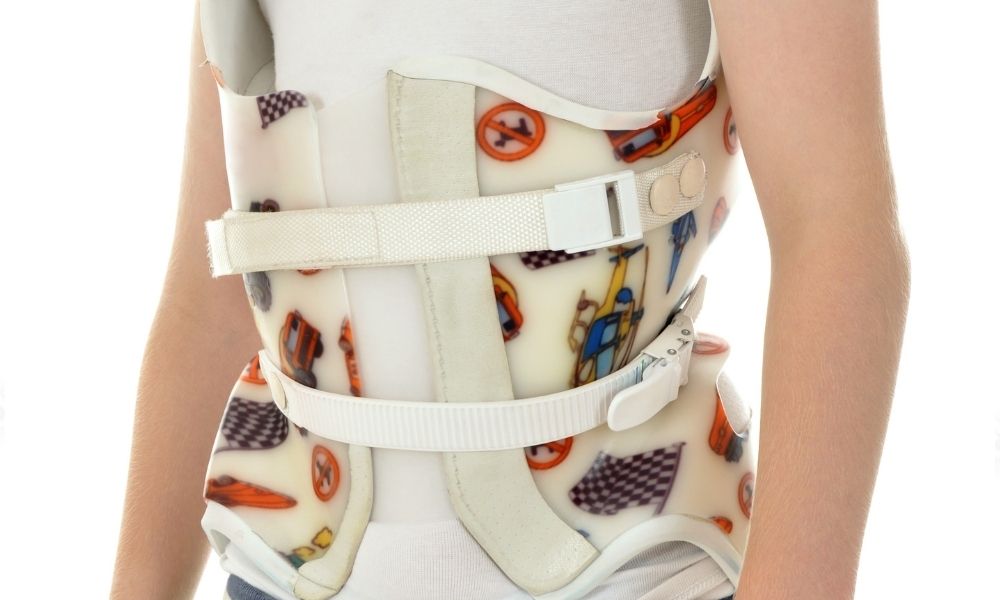 | Other Product Scoliosis Brace is specially designed to support and correct abnormal curvature of the spine caused by scoliosis. View product → |
Frequently asked questions
What does “Scoloci brace” mean before the appointment?
“Scoloci brace” usually refers to a scoliosis brace rather than a recognised model. Confirm whether the prescription is for a TLSO, such as a custom-moulded or Boston-style brace, and ask which orthotist will fit it.
What happens during scoloci brace fitting?
The clinician reviews the diagnosis, spinal curve and prescription, checks measurements, places the brace for a trial, and assesses alignment, breathing, movement and pressure points before giving wear instructions.
How does a scoliosis brace work?
A scoliosis brace applies carefully positioned forces to guide the growing torso and reduce progression of the spinal curve. It does not permanently straighten the spine or replace clinical follow-up.
What should you monitor after fitting?
Check for persistent redness, blisters, pain, numbness, breathing difficulty, slipping or broken fasteners. Contact the orthotist when a mark lasts beyond the expected short period after removal or the brace no longer fits.
How do you plan scoliosis brace care in Thane as the child grows?
Keep scheduled reviews, take the brace to every appointment, track daily wear time and report growth, discomfort or changing fit. The orthotist may adjust or replace the brace as the child develops.
Keywords