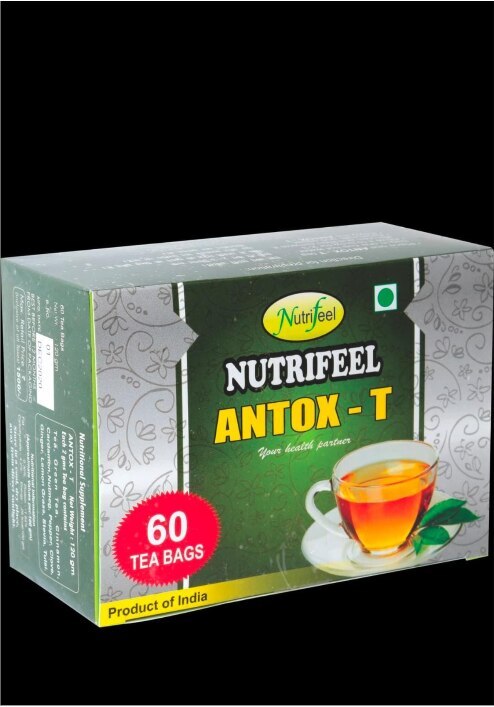
A product name cannot tell you whether Antox T Tea contains caffeine, green-tea extract, senna, or another active ingredient, so its preparation, benefits, and risks must come from the package label and manufacturer. By the end, you will know what to check, how to compare the tea with familiar beverages, which claims have limited evidence, and when regular use needs professional advice.
Key takeaways
- Read the formula, intended use, directions, and warnings before preparing Antox T Tea.
- Do not treat “antox,” detox, or antioxidant wording as proof of a clinical benefit.
- Check ingredients against your medicines, pregnancy status, allergies, and health conditions.
- Stop and ask a pharmacist when the label is incomplete or your symptoms change.
What the Antox T Tea Label Needs to Tell You
Before deciding what Antox T Tea is, read the Antox T Tea label rather than treating its name as proof of ordinary tea, detoxification, or antioxidant benefits. Confirm the exact formula, intended use, and directions; “antox” does not establish a clinical effect.
Check these details on the package:
- Antox T Tea ingredients, including quantities per serving, botanical names, plant parts, caffeine, sweeteners, laxatives, and any standardised extract
- Serving size, tea form, water volume, temperature, steeping time, recommended daily frequency, maximum intake, and whether to drink it before or after meals
- Warnings for pregnancy, breastfeeding, liver or kidney disease, high blood pressure, arrhythmia, anxiety, insomnia, allergies, and medicine interactions
- Manufacturer name and address, batch or lot number, manufacturing and expiry dates, storage instructions, and any licence or registration details printed on the pack
| Label finding | What it tells you | Decision |
|---|---|---|
| Named plant plus botanical name and quantity | You can identify the actual herb and estimate exposure | Continue checking safety and purpose |
| “Green tea extract” or another concentrated extract | This is not equivalent to a normal brewed cup; extract exposure needs closer scrutiny | Do not infer ordinary-tea safety |
| Caffeine amount, or no caffeine statement | You cannot calculate your total daily caffeine reliably without clarification | Count coffee, cola, energy drinks, chocolate, medicines, and every tea serving |
A missing warning does not prove safety. If the formula, dose, or manufacturer details are incomplete, pause before making it a daily routine.
How to Prepare and Time a Serving Safely
The product name does not establish a safe tea serving size. If the label omits the ingredients, form, water volume, steeping time, or maximum daily intake, contact the manufacturer or a pharmacist before preparing it; do not guess from another herbal tea.
- Confirm whether it is a tea bag, loose blend, powder, or extract. Check for caffeine, green-tea extract, senna, and other laxatives. Do not use it as a daily drink if it contains senna unless a clinician advised that plan.
- If the formula is confirmed as an ordinary tea blend, begin with one bag or the stated loose-tea measure in about 200–250 mL of water. Use the printed temperature; if none is given, use freshly boiled water for a non-green-tea infusion and avoid adding extra tea to make it stronger.
- Use the stated steeping time. If the verified blend is an ordinary infusion with no directions, start with about 3–5 minutes, then discard the leaves or bag rather than repeatedly steeping it.
- Start with one serving on one day, not several cups. Keep total caffeine from tea, coffee, cola, energy drinks, chocolate, and medicines below your personal limit; 400 mg daily is not a target and does not suit everyone.
- Choose timing by ingredients: take caffeinated tea early to reduce sleep problems, and drink it with or after food if it causes reflux or nausea. There is no universal rule for tea before or after meals. Stop and seek care for severe cramps, diarrhea, palpitations, or vomiting.
How Antox T Tea Compares With Ordinary Tea and Wellness Claims
Antox T Tea is distinguishable by its label, not its name. Check whether it contains Camellia sinensis, green tea extract, caffeine, laxative herbs, or digestive botanicals, and note each quantity per serving. Claims about Antox T Tea benefits do not prove that “antox” means antioxidant protection or toxin removal.
| Option | What distinguishes it | What evidence supports |
|---|---|---|
| Black tea | Usually brewed Camellia sinensis leaves with caffeine and a darker, stronger flavour | A beverage, not a detox or weight-loss treatment |
| Green tea | Camellia sinensis processed with less oxidation; it may contain caffeine or green tea extract | Modest, short-term weight effects at most; extract is not equivalent to brewed tea |
| Caffeine-free herbal tea | No Camellia sinensis caffeine, but herbs still need identification and dose checking | Taste, hydration, or a traditional use; caffeine-free does not mean risk-free |
| Ayurvedic digestive tea | A blend marketed for digestion, often with named spices or botanicals | Traditional or symptom-focused use does not establish treatment of disease |
| Antox T Tea | Its formula, serving size, caffeine level, and warnings depend on the actual pack | Only label-specific claims and credible clinical evidence deserve confidence |
Detox tea evidence does not show that commercial products remove unspecified toxins or create lasting health benefits. A quick change on the scale can reflect fluid loss, reduced eating, caffeine, or laxative bowel movements rather than fat loss.
If the label lists concentrated green tea extract, treat it differently from an ordinary cup and ask a pharmacist about medicines such as warfarin or nadolol. Stop and seek medical advice for jaundice, dark urine, severe vomiting, fainting, racing heartbeat, or severe diarrhoea.
Which Ingredients and Health Conditions Change the Risk
Pause before regular use if the label lists a concentrated extract, stimulant, laxative herb, or several botanicals without quantities. “Antox T Tea” does not establish caffeine content, dose, or safety.
Track Antox T Tea side effects such as diarrhoea, cramps, nausea, dizziness, rash, or a racing heartbeat rather than assuming they are part of a cleansing effect.
Seek medical assessment instead of treating bowel symptoms with tea if you have:
- Blood in the stool
- Persistent abdominal pain, vomiting, fever, or marked bloating
- A new, persistent change in bowel habits
| Ingredient or situation | Why it changes risk | Pause or ask a pharmacist |
|---|---|---|
| Senna or cascara | A senna laxative tea can cause cramps, diarrhoea, dehydration, and electrolyte loss; repeated use can mask constipation causes. | Do not use for unexplained constipation. |
| Green tea or green-tea extract | Green tea drug interactions include reduced nadolol exposure and possible effects from vitamin K with warfarin. Extracts are not equivalent to brewed tea. | Check the exact formula with your pharmacist. |
| Caffeine, guarana, or mate | Caffeine and palpitations can become a problem with arrhythmias, uncontrolled hypertension, anxiety, or insomnia. | Avoid regular use until advised. |
| Any multi-herb blend | Liver or kidney disease, pregnancy, breastfeeding, and multiple medicines increase uncertainty. | Obtain individual advice before starting. |
| Anticoagulants, heart medicines, stimulants, or several prescriptions | Combined effects and absorption changes may alter treatment. | Do not rely on a retail label’s silence as proof of safety. |
A Practical Check Before You Make It a Daily Habit
Before making Antox T Tea part of a daily wellness routine, use the actual pack as your decision point. The name alone does not confirm ingredients, caffeine, dose, intended use, or regulatory status.
- Check batch number, expiry date, manufacturer name, sealed packaging, ingredient list, botanical names, quantities, serving size, warnings, and directions.
- Reject the product if the label omits the formula, maximum daily intake, or contact details. Do not rely on loose tea or a repacked pouch.
- Look specifically for “extract,” caffeine, senna, or another stimulant laxative. These change the risk beyond ordinary brewed tea.
| Product type | Practical meaning | Routine decision |
|---|---|---|
| Clearly labelled ordinary-strength tea | Beverage exposure with stated ingredients and serving size | Start with the label serving; avoid increasing frequency |
| Multi-ingredient blend | Interaction and side-effect risks are harder to predict | Obtain pharmacist advice before repeated use |
| Extract, powder, capsule, or concentrated liquid | Higher exposure than brewed tea; green-tea extracts have rare liver-injury reports | Do not treat it as ordinary tea; seek professional guidance |
For buying herbal tea safely, ask V. Karan Pharma staff to help you inspect the intact manufacturer-labelled pack rather than choosing from an unlabelled container. Ask a pharmacist to review the exact formula if you take warfarin, nadolol, heart medicines, stimulants, several prescriptions, or have liver, kidney, heart-rhythm, blood-pressure, anxiety, or sleep problems.
Pregnant or breastfeeding people should also ask first.
Stop and seek medical advice for persistent cramps, diarrhoea, palpitations, severe insomnia, yellow skin, dark urine, or unusual weakness. A product containing senna is not a daily wellness choice without clinician direction.
Frequently asked questions
What should the Antox T Tea label tell you?
Check the complete ingredient list, serving size, preparation directions, intended use, warnings, batch details, expiry date, and storage instructions.
How should you prepare and time a serving safely?
Follow the package directions exactly, measure the stated amount, use the specified water temperature or volume, and do not increase servings to chase faster results.
How does Antox T Tea differ from ordinary tea?
Ordinary tea refers to a familiar tea leaf or blend, while Antox T Tea must be judged by its exact ingredient list, directions, and claims rather than its name.
Which conditions or ingredients can change the risk?
Review every ingredient if you take prescription medicines, are pregnant or breastfeeding, have allergies, kidney or liver disease, diabetes, or digestive symptoms, and ask a pharmacist when uncertain.