Hospitals need two different procurement decisions: a clinically suitable Thomas splint with a safe patient fit, and a urine drainage bag whose connector, sterility and drainage design match the intended use. By the end, you will know what staff must assess, measure, document and confirm before ordering either item for hospital use.
Key takeaways
- Use a Thomas splint for suspected femoral-shaft fractures during trained clinical assessment.
- Measure the uninjured leg and confirm fit before ordering a custom splint.
- Check pulses, sensation, movement, skin pressure and traction after application.
- Specify bag capacity, drainage outlet, anti-reflux valve and sterile packaging.
When a Thomas splint is appropriate—and when it is not
Use a Thomas splint for a suspected femoral-shaft fracture during initial immobilisation or transfer, after trained staff assess the hip, pelvis, knee, distal pulses, sensation, motor function, bleeding and open wounds.
Pad the ischial ring and groin, position it without pressure on the perineum or neurovascular structures, attach controlled traction, and secure the limb with its straps. It does not replace radiography, fracture reduction or definitive treatment.
Do not apply or continue traction when assessment suggests:
- Pelvic, acetabular or spinal injury
- Severe knee injury, amputation or major soft-tissue damage
- Compromised distal circulation or severe wounds at contact points
- An unsafe fit because the patient cannot obtain stable ischial and distal support
Choose a vacuum splint, rigid leg splint or another clinician-selected method when traction could worsen the injury or the anatomy cannot be protected. An inflatable splint is not interchangeable with a traction Thomas splint.
After application, document distal circulation, motor function, sensation, pain, skin pressure and maintained traction. Repeat these checks during transfer because swelling, movement and loose straps can change the fit.
A custom Thomas splint in Thane is a procurement description, not evidence that a device suits the patient or that stock exists. Confirm the model, size range and authorised clinical user; only trained staff should select, fit and apply it.
How to measure a patient for a custom Thomas splint
A custom Thomas splint is made to a recorded patient size, not selected as simply “small,” “medium,” or “large.” A trained clinician should measure and approve the fit; an untrained purchaser cannot safely judge ring pressure, ischial support, or traction alignment.
Record these details on the hospital order:
- Thigh length from the ischial fold or groin reference point to the required distal support point
- Groin-to-heel length with the injured limb held in the intended position
- Thigh circumference at the level used for the ring and at the distal support area
- Ring diameter and the thickness of padding required to prevent perineal pressure
- Limb position, available traction attachment, and any wound, swelling, dressing, or amputation affecting contact
The ring must support the ischial area without pressing the perineum or neurovascular structures. A clinician must perform the fitting, check distal circulation, sensation, motor function, pain and skin pressure, then sign the measurement record.
| Option | What it means | Practical consequence |
|---|---|---|
| Custom Thomas splint | Built from patient measurements | Better anatomical fit, but needs assessment, fabrication time and sign-off |
| Standard Thomas splint | Stock size selected from a range | Faster deployment, but extra padding or poor fit can create pressure and unstable support |
Search terms such as custom Thomas splint in Thane and thoma splint availability describe procurement searches, not confirmed stock. Ask for the measurement form, custom lead time and clinician approval process before ordering.
What to check after applying and before ordering the splint
After application, document distal circulation, motor function, sensation, pain, skin pressure at the ring and straps, and whether traction remains maintained. Repeat these checks during transfer and after repositioning because swelling, movement, or a loosened strap can change the fit.
- Check foot colour, warmth, capillary refill and palpable distal pulses where clinically appropriate.
- Ask for new or worsening pain, numbness or tingling; test toe movement and sensation.
- Inspect the groin, perineal ring, heel and strap edges for blanching, abrasions or pressure injury.
- Confirm that the limb remains aligned and that the traction attachment has not slipped or lost tension.
Before ordering, require a quotation that identifies material, dimensions, size range, padding, strap adjustment, traction attachment, cleaning or reprocessing instructions, packaging, repair route and replacement parts. These details separate usable hospital orthopedic products from equipment that becomes difficult to maintain.
| Option | Compare | Confirm before ordering |
|---|---|---|
| Custom splint | Fit follows recorded measurements; lead time is longer | Clinical sign-off, padded ring, compatible traction attachment and measurement record |
| Standard splint | Faster deployment; extra padding may be needed | Size range, ring fit and strap adjustment |
| Either option | Cleaning, repairs and parts determine service life | Written instructions, repair turnaround, spare straps, padding and traction components availability |
How to specify the right urine bag for hospital use
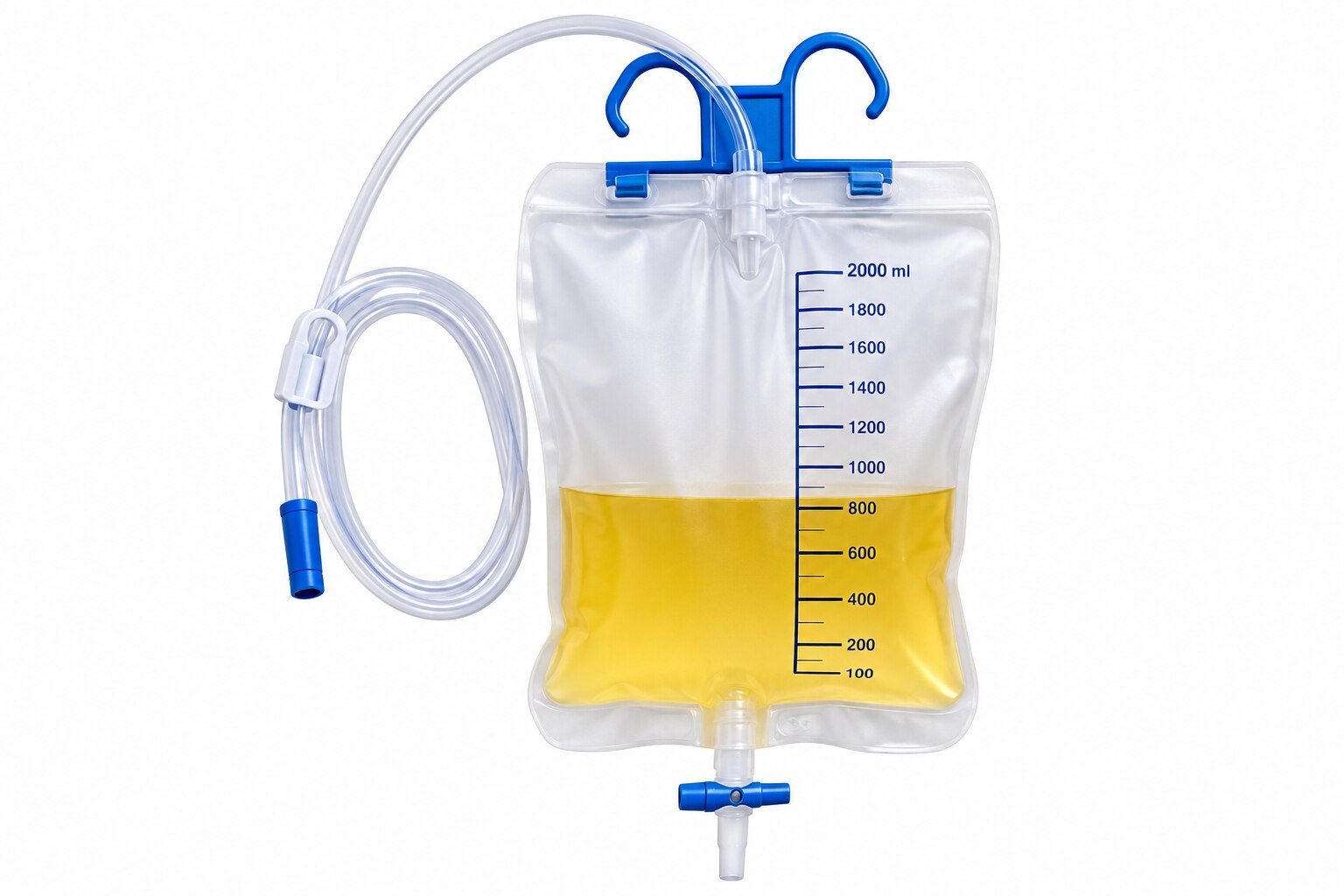
Choose the bag by setting and patient, not by the label “urine bag.” A bedside drainage bag is intended for an indwelling catheter, hangs below bladder level, and commonly holds about 2,000 mL.
A leg bag is smaller and designed for ambulatory use, with straps or a sleeve; it is not a replacement for a bedside bag when high-volume drainage is expected. A paediatric bag needs an age-appropriate capacity, clear graduations and a connector that matches the child’s catheter.
For a urine bag hospital supply tender, specify:
- Capacity and use: state the nominal volume, graduated scale, and whether the bag is for bedside, leg, paediatric or ambulatory use. Confirm that the outlet and scale support safe working volume, not just the printed maximum.
- Packaging: require sterile, single-use packaging, with lot number and expiry date visible on each pack.
- Connection: name the catheter connector type and require a secure, leak-resistant fit. The bag is part of a closed drainage system, not the catheter.
- Sampling and flow control: require a needleless sampling port, anti-reflux valve and bottom drainage outlet.
- Tubing: specify kink-resistant tubing, required length, and a layout that avoids loops, compression and backflow.
- Securement: state whether the product includes a bed hook, hanger, leg straps or another holder, and where it will be used.
Keep the outlet off the floor and prevent its tap touching the collection container during emptying.
What to confirm when sourcing both products in Thane
A quotation is useful only if it separates immediately available stock from made-to-measure supply. The phrase thoma splint availability is a search lead, not proof that a correctly sized device is in Thane.
1. Ask the supplier to state the current stock count, Thomas splint type, size range, material, ring and padding dimensions, traction components, patient-weight range, and packaging. Confirm whether the quotation covers a traction model, non-traction fracture splint, or paediatric model.
2. For a custom splint, request the measurement record, fitting appointment requirement, clinician sign-off process, and fabrication lead time. A standard stocked splint may support immediate transfer but fit poorly; do not accept a custom item without documented measurements and approval.
3. For urine bag hospital supply, specify bedside or leg-bag use, capacity, closed-system design, sterile single-use packaging, catheter connector, sampling port, anti-reflux valve, tubing, outlet, securement, lot number and expiry date. Request the manufacturer’s instructions and applicable regulatory documentation.
4. Confirm delivery to the hospital address in Thane, freight charges, tax-inclusive pricing, replacement-part costs, minimum order quantity, and whether urgent or split delivery is available. Ask how damaged, incorrect or leaking products are reported and within how many days returns are accepted.
V. Karan Pharma can be included in a comparison of hospital orthopedic products when its quotation answers these points rather than merely listing a product name. Compare like with like, and obtain written confirmation before purchase.
Related product
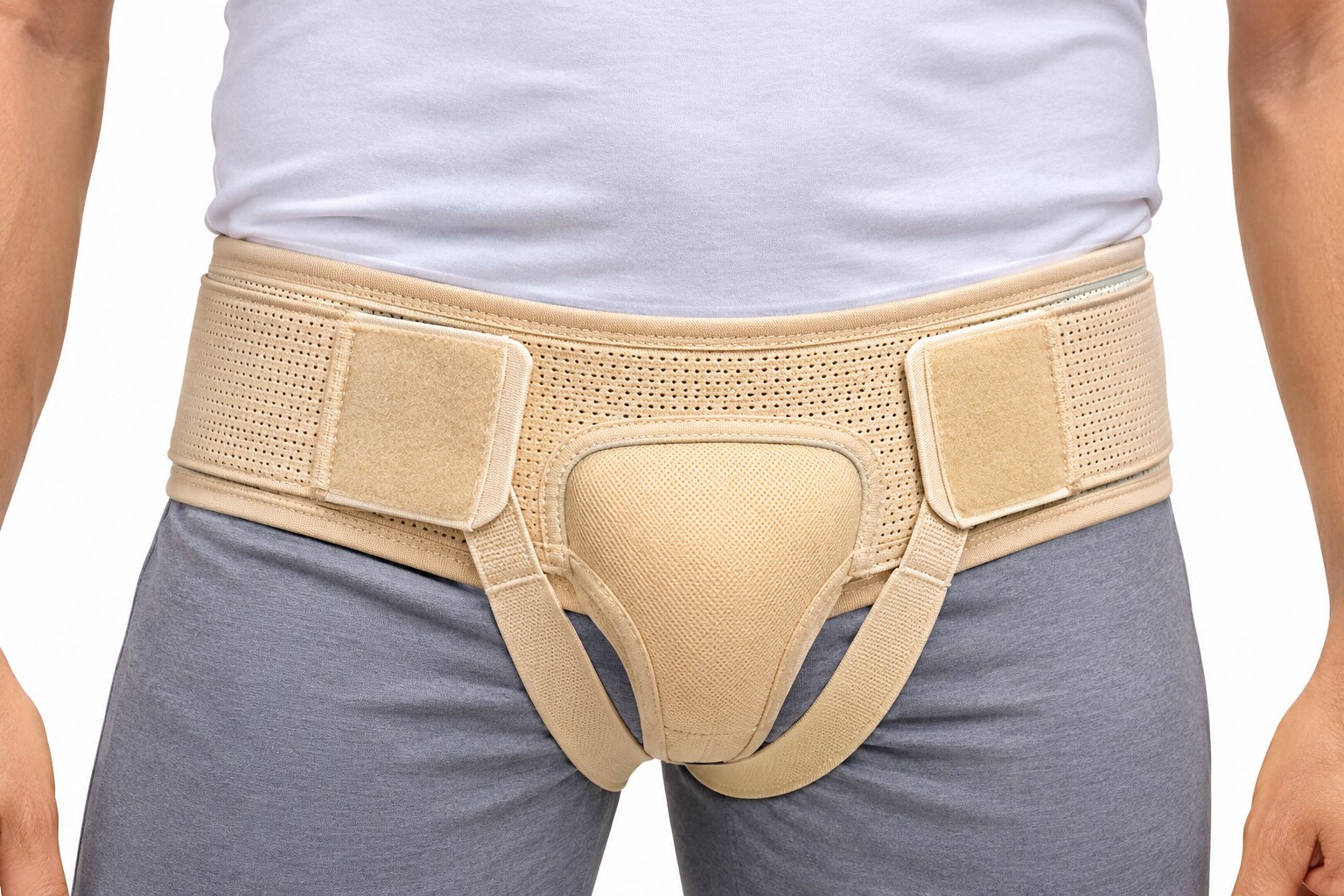
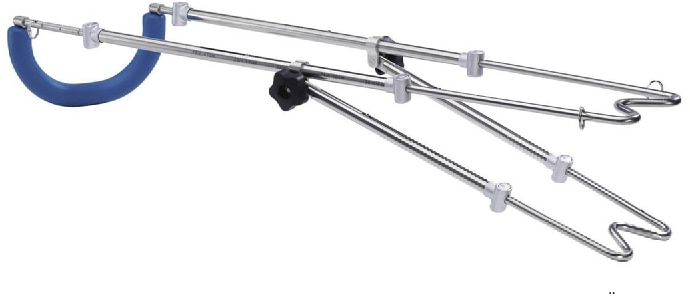 | Customize Product Thomas Splint is an essential orthopedic device used for immobilization and stabilization of femur fractures and severe leg injuries. View product → |
Frequently asked questions
When is a Thomas splint appropriate?
Use it for suspected femoral-shaft fracture during initial immobilisation or transfer after trained staff assess the hip, pelvis, knee, distal pulses, sensation, motor function, bleeding and open wounds.
How do you measure a patient for a custom Thomas splint?
Measure the uninjured limb, including thigh length and circumference, and record the measurements alongside the patient’s condition and intended use. Confirm the fit on the patient before ordering.
What should staff check after applying a Thomas splint?
Recheck distal pulses, sensation, motor function, skin colour, temperature, pain, swelling and pressure points. Document findings and reassess during transfer.
What details should a hospital specify when ordering a urine bag?
Specify adult or paediatric use, bag capacity, graduated markings, tubing length, connector type, anti-reflux valve, drainage outlet, sterile packaging and compatibility with the catheter system.
What should hospitals confirm when sourcing these products in Thane?
Confirm product specifications, stock status, lead time, packaging integrity, batch or lot details, invoices and delivery arrangements before placing the order.
Keywords