A knee cap and a magnetic belt support different parts of the body, so choosing between them starts with the diagnosis and the body measurement—not the word “custom.” By the end, you will know which measurements and documents to prepare, what a fitting appointment should include, and which product specifications to confirm before paying.
Key takeaways
- Choose a knee cap for knee support; choose a belt for waist or lower-back support.
- Measure knee or waist over the clothing you will wear with the support.
- Tell the fitter about pain, diagnosis, movement and daily wearing conditions.
- Compare custom options by fit, cleaning, skin safety and ease of use.
Knee cap or magnetic belt: which body area and problem are you treating?
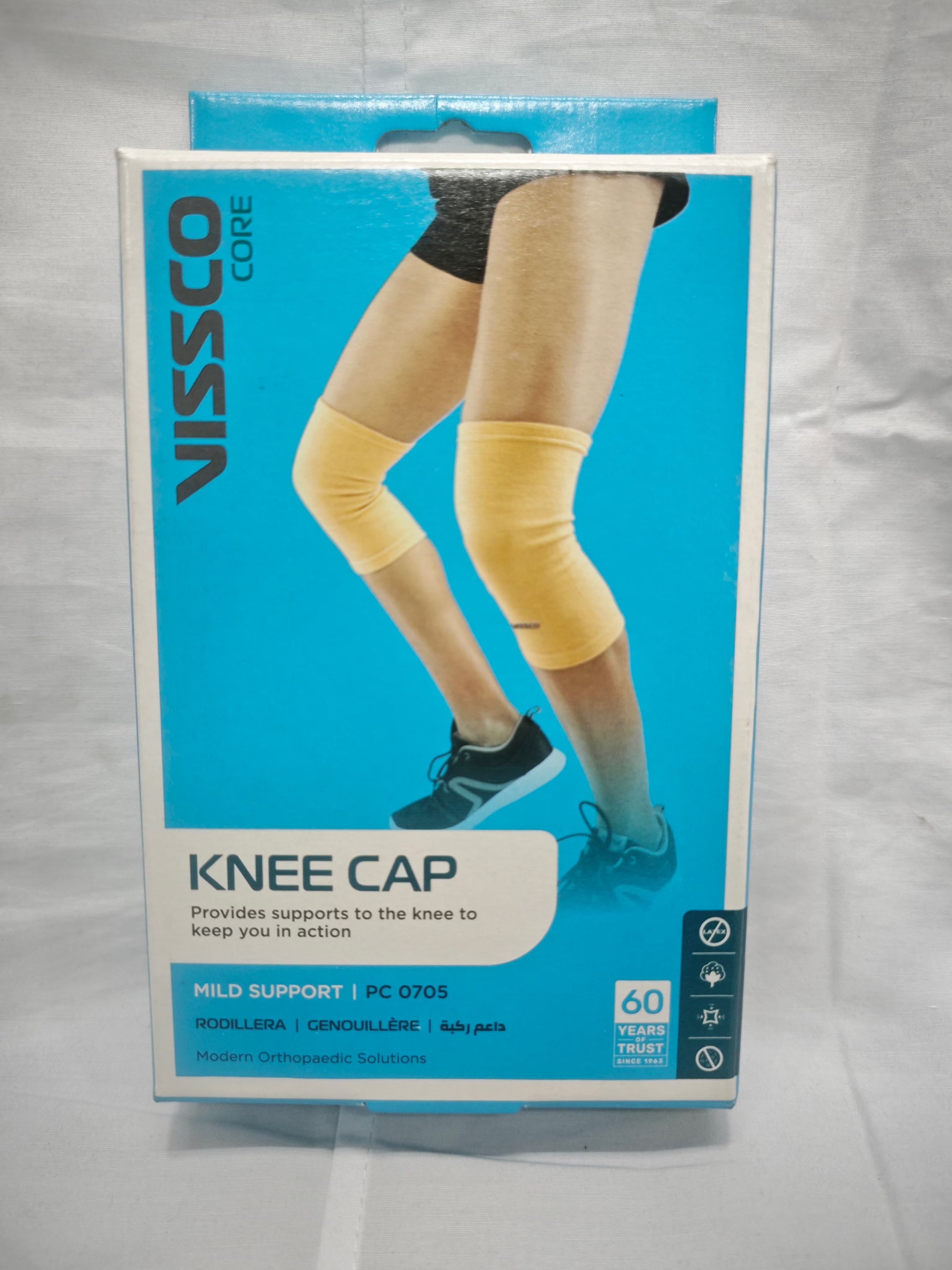
Choose the support by body area: a knee cap is for the knee, while a magnetic belt sits around the waist or lower back. If you are comparing a knee cap or magnetic belt custom order in Thane, name the problem first—not merely “knee cap in Thane” or “magnetic belt custom order.”
| Option | Area | What it may address |
|---|---|---|
| Elastic sleeve | Knee | Warmth, compression and proprioceptive feedback for activity-related discomfort |
| Patellar, hinged or unloader brace | Knee | Kneecap tracking, ligament instability or compartment-specific osteoarthritis |
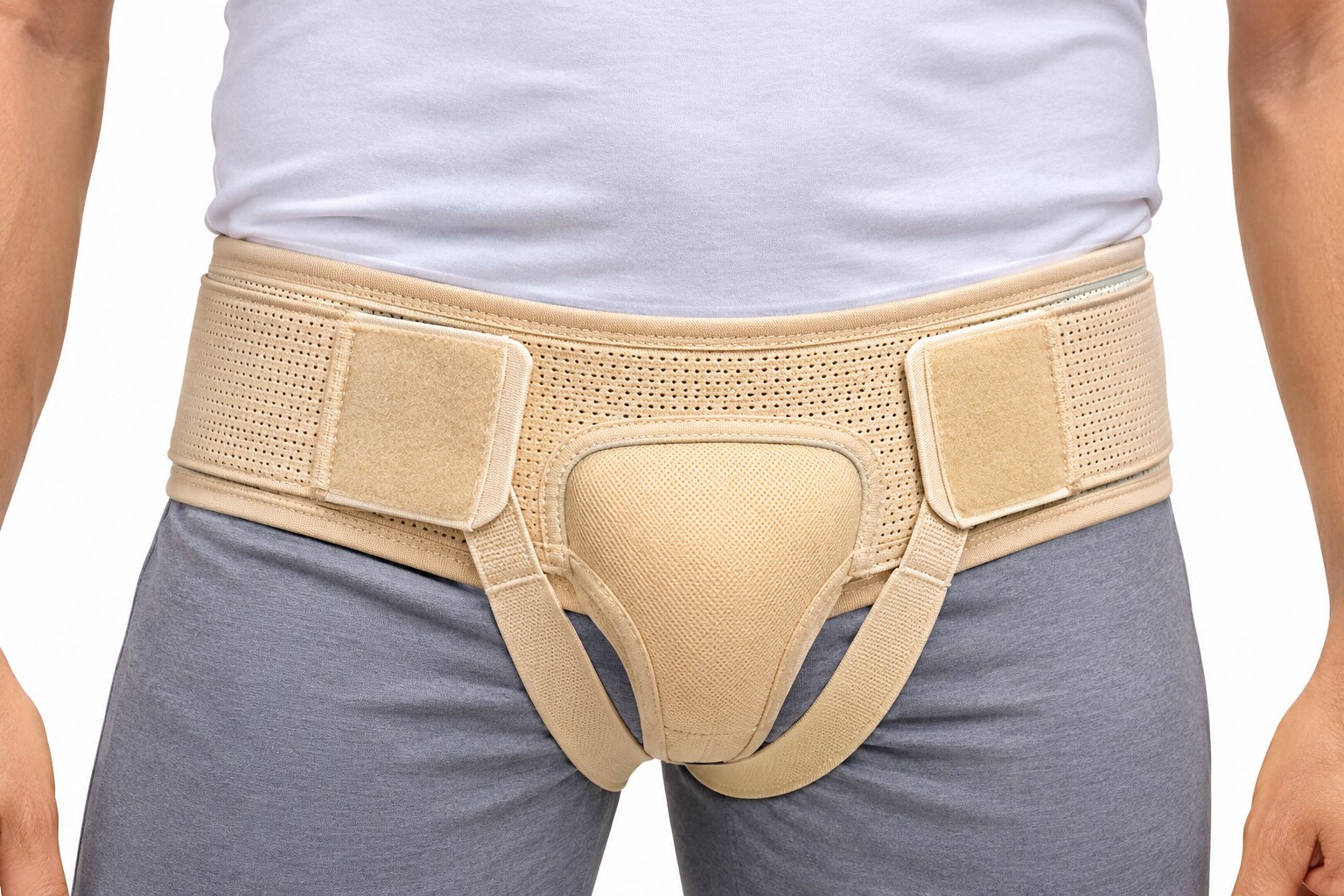
| Magnetic belt | Waist or lower back | Gentle compression and warmth for lower-back or waist discomfort and stiffness; it does not stabilise the knee |
“Knee cap” can mean any of these brace types. The affected knee, right or left side, diagnosis, instability, postoperative restriction and required range of motion determine the design. A generic sleeve does not replace a torn ligament or correct substantial instability.
A magnetic belt contains static magnets, which are permanent magnets, not pulsed electromagnetic-field devices. Evidence does not establish static magnets as a treatment that improves circulation, repairs tissue or cures arthritis; comfort may come from compression, warmth, support or expectation.
Seek medical assessment instead of ordering either product if you have:
- Inability to bear weight, a deformed or locked knee, suspected fracture, or marked swelling after injury
- Fever with a hot, swollen joint
- Calf swelling with breathlessness
Measure the knee or waist correctly before requesting a custom fit
Measure the support at the place where it will sit, not at the narrowest part of your waist or the widest part of your leg.
| Option | Measure | Where and how |
|---|---|---|
| Magnetic belt | Waist circumference | Around the lower back and abdomen, keeping the tape horizontal, firm and non-compressive |
| Elastic knee sleeve | Knee circumference | At the sizing point specified by the maker: centre of kneecap, 10 cm below it, or above it |
| Hinged or custom orthosis | Requested knee, thigh and calf dimensions | Take them seated or standing as instructed, because loading changes limb shape |
For a magnetic belt, take a second waist measurement after breathing normally. Record both results in centimetres, then ask whether the belt will sit over a vest or directly on a thin garment. Do not measure at the fashion waist unless that is where the belt will rest.
For a knee cap in Thane, ask the maker to identify the exact sizing point before measuring. Do not replace a centre-kneecap measurement with one taken 10 centimetres below it. Keep your leg straight for a sleeve measurement unless the instructions require a bent knee.
Measure over the garment the brace will cover, or on bare skin if the supplier specifies skin measurement. Record the right or left side, date, swelling level, measurement method and any difference between legs. A photograph of tape placement helps only when the fitter requests it; it never replaces numbers.
Use the same record for a custom orthopedic product in Kalwa.
Give the fitter the clinical and use details that a size chart cannot show
A size chart cannot decide whether you need compression, patellar control, a hinge or unloading. Give the fitter the clinical reason and the way you use the support.
1. State the diagnosis or goal in plain language: patellofemoral pain, arthritis, ligament instability, postoperative protection or activity support. Identify the right or left side, prescribed support level, permitted knee range of motion, postoperative restrictions, skin sensitivity, swelling pattern and activity level, including walking, work, sport and prolonged sitting.
2. Bring the existing brace. Show its model, label and size, then describe the failure: slipping, bunching behind the knee, pressure on the kneecap, weak fastening or restricted movement. Provide clinician-specified dimensions, hinge settings and a written prescription when available.
Ask who takes the final measurements, whether a clinician’s prescription is required, and whether a trial fitting is included.
3. For a magnetic belt custom order, request the magnetic belt details in writing: size and measurement range, material, belt width, magnet number and placement, closure system, fastening strength, flexibility, breathability and washing instructions. Ask whether it is made to order or modified from stock.
If you have a pacemaker or implantable cardioverter-defibrillator, confirm magnet clearance with your cardiologist or device manufacturer.
Remove a belt causing numbness, colour change, coldness, skin irritation or increasing pain. Remove a knee sleeve over damaged skin or worsening swelling.
What a custom fitting appointment in Thane or Kalwa should include
A fitting appointment should end with a documented fit, not merely an S, M or L selection. A custom orthopedic product in Kalwa involves individual measurements and fitting decisions; a stock size is size-selected, not necessarily fully custom.
1. Discuss your diagnosis, symptoms and goal, then show the prescription or existing brace. State the affected side, activity needs and postoperative restrictions. Ask who takes the final measurements and whether a clinician’s prescription is required.
2. The fitter should measure your waist, knee and limb at the specified points. Confirm whether measurements are taken over clothing or on skin, and record each figure, side and date.
3. Select the design that matches the problem: elastic sleeve, patellar brace, hinged brace, unloader brace or belt. Ask what material, hinge settings and range-of-motion limits apply.
4. Trial the item before manufacture or payment. Walk, sit, bend and climb a step if safe. A knee brace must not slip, bunch behind the knee or press on the kneecap; a belt must not roll, dig into your ribs or restrict breathing.
5. Ask how long measurement, trial fitting and alterations take. Confirm whether delivery is available or collection is required. V. Karan Pharma should be asked the same questions for a knee cap or magnetic belt custom order in Thane.
6. Before payment, obtain a written specification and invoice naming the material, model or design, side, measurements or size, warranty, adjustment service and delivery timeline. Get exchange, return and alteration terms in writing; a cut, moulded or personalised item commonly cannot be returned.
Related product
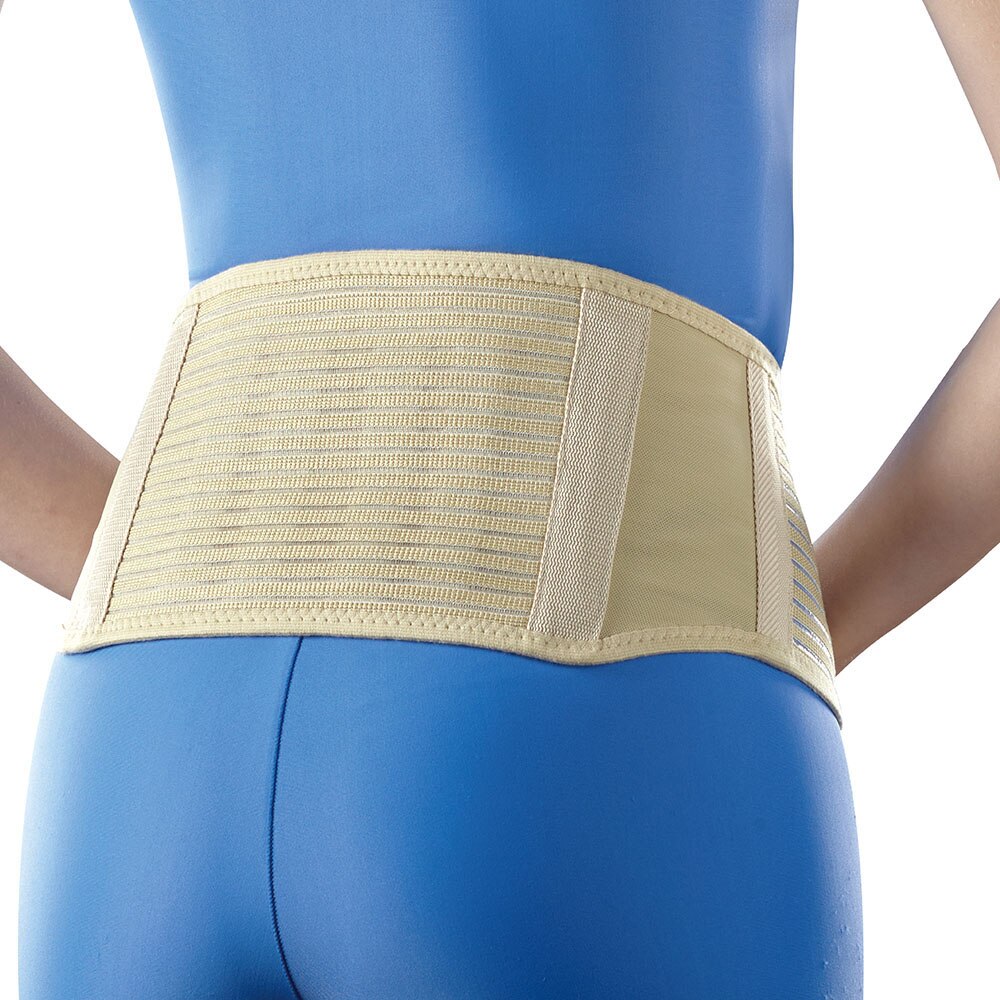 | Customize Product Customized Magnetic Belt is designed to provide effective support and relief from back pain, muscle stiffness, and joint discomfort. View product → |
Compare the final options by fit, care and safety—not by the word custom
Choose the device for the body area and mechanical problem, then verify fit, care and safety. “Knee cap in Thane” and magnetic belt details are not interchangeable purchasing categories.
| Option | Compare before buying | Best use |
|---|---|---|
| Knee support | Confirm sleeve, patellar, hinged or unloading design; right or left side; compression level; hinge or unloading mechanism; permitted motion; skin-contact fabric; fastening strength; wash instructions; and adjustment as swelling changes. | A diagnosed knee problem requiring support at the joint. |
| Magnetic belt | Confirm width, closure type, magnet number and placement, fabric, breathability, flexibility, fastening strength, washing instructions, size and measurement range, warranty and adjustment service. | Waist or lower-back support, not knee stabilisation. |
Ask whether the belt is made to order or modified from stock. Request a written specification and invoice naming the material, design, side, measurements, warranty, adjustment service and delivery timeline.
Neither product replaces diagnosis, prescribed medicines, exercise-based rehabilitation, weight management where appropriate or surgery when indicated. Remove either device for increasing pain, tingling, colour change, coldness or skin breakdown; a tight belt can impair circulation, while a knee support can worsen swelling or damage fragile skin.
Do not arrange a custom order if you cannot bear weight, the knee is locked or deformed, or the joint is hot and swollen with fever. Seek urgent medical care for suspected fracture, marked post-injury swelling, or calf swelling with breathlessness.
Frequently asked questions
Should you choose a knee cap or magnetic belt?
Choose a knee cap when the target area is the knee. Choose a magnetic belt when support is intended around the waist or lower back.
How should you measure for a custom knee cap or magnetic belt?
Measure the knee or waist as instructed by the fitter, using the clothing layer you will wear with the product. Record the measurement in centimetres and state where the tape sits.
What details should you give the fitter?
Share the diagnosis or symptoms, painful movements, swelling, activity level, wearing duration, clothing conditions and any skin sensitivity.
What should a custom fitting appointment in Thane or Kalwa include?
The appointment should confirm the body area, take and record measurements, assess movement, explain materials and closures, check comfort and show you how to wear and care for the support.
How should you compare the final custom options?
Compare pressure and movement, ease of cleaning, skin contact, fastening, durability, return or adjustment terms and whether you can wear the product safely for the required duration.
Keywords