Choosing between an abdominal belt and an L.S. belt starts with identifying the body region that needs support: the abdomen and surgical site, or the lumbar and sacral area of the lower back. By the end, you will know which belt fits your situation, when wearing one is unsafe, how to measure correctly and what to ask before buying.
Key takeaways
- Abdominal belts support the abdomen; L.S. belts support the lumbar and lumbosacral region.
- Seek medical review for severe pain, swelling, wound changes, numbness or breathing difficulty.
- Measure your waist or hips and follow the fitting instructions before wearing either belt.
- Ask whether you need a standard, adjustable or custom support belt.
Abdominal Belt or L.S. Belt: Which Body Area Needs Support?
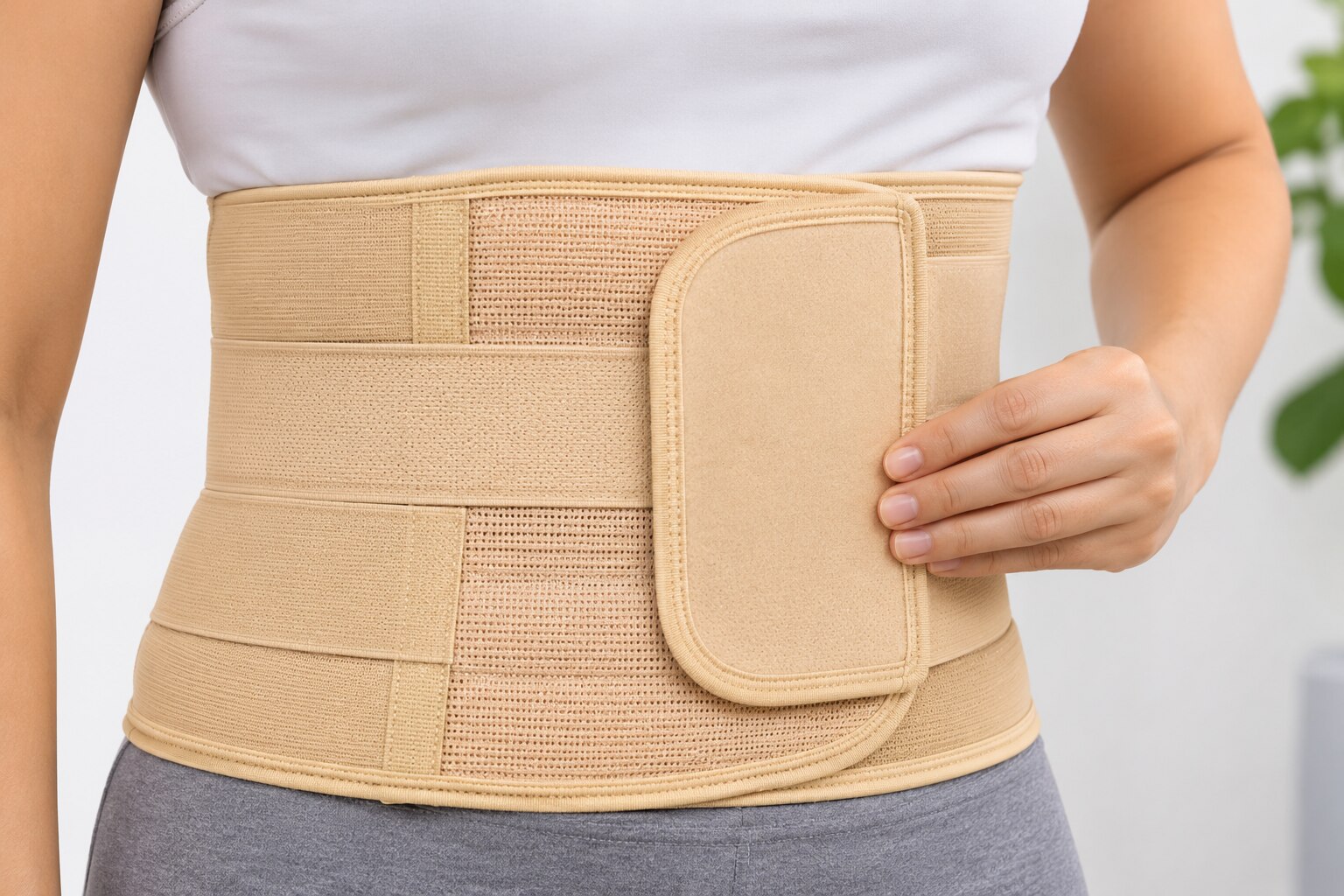
An abdominal support belt wraps around the abdomen; an L.S. belt supports the lumbar and lumbosacral region, including the area near the sacroiliac joints. They are not interchangeable.
| Option | Body area | When it applies |
|---|---|---|
| Abdominal belt | Abdomen and abdominal wall | Recovery after abdominal surgery, abdominal muscle weakness, a clinically assessed hernia, or selected pregnancy-related discomfort |
| L.S. belt | Lower back, lumbar spine and sacroiliac region | Lower-back strain, prolonged sitting, or a specific activity-related need agreed with a clinician |
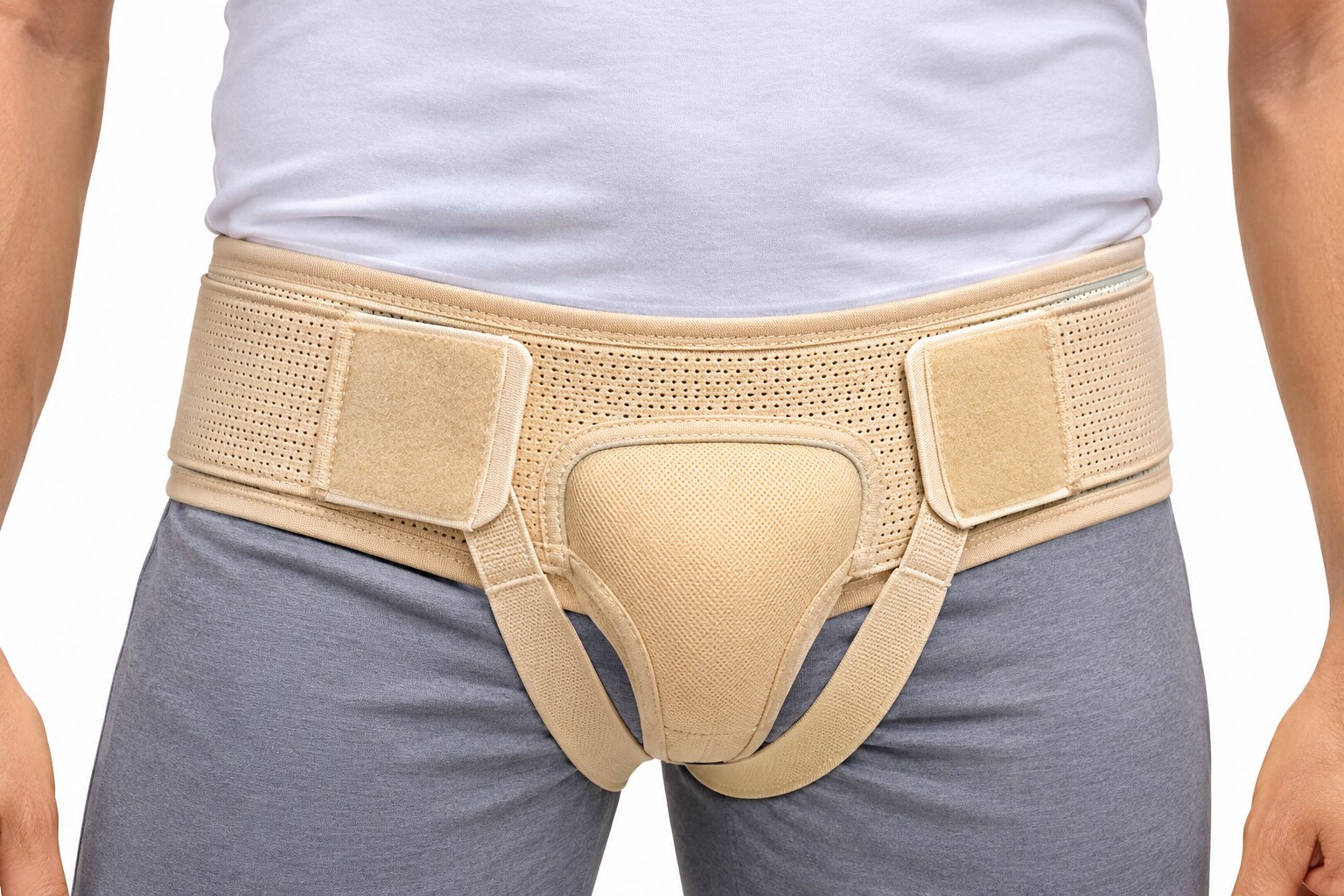
After abdominal surgery, an abdominal belt can reduce the feeling of wound pulling during coughing, standing or walking. It does not close a hernia, repair an operation or treat a wound problem. For a suspected hernia, use a support only after clinical assessment; a painful or non-reducible bulge needs medical attention.
Pregnancy-related abdominal or pelvic discomfort deserves advice from a maternity clinician or physiotherapist before you tighten any belt over the abdomen. Do not use support to mask severe or changing symptoms.
An L.S. belt may provide warmth, positional feedback or short-term stability during an agreed activity. It is not a permanent spine-strengthening device and does not replace diagnosis, exercise-based rehabilitation or activity modification.
If you are comparing abdominal belt or l s belt support kalwa in thane, identify the body region first. An abdominal belt will not support the lumbar spine, and an L.S. belt will not protect an abdominal incision. Neither replaces diagnosis, wound care, rehabilitation or hernia treatment.
When an Abdominal Belt Helps—and When It Needs Medical Review
A binder can reduce the feeling of wound pulling after abdominal surgery and make coughing, standing and walking more comfortable. An abdominal support belt can also ease symptoms from abdominal weakness or a clinically assessed hernia, but it cannot close a hernia or repair an operation.
Search terms such as abdominal belt kalwa do not replace medical assessment.
- Use it only for the area and purpose prescribed. Place it over the dressing or clothing as directed, not directly on a healing incision unless your surgeon says so.
- Keep it snug rather than tight. Check that you can breathe normally and that the belt causes no numbness, discoloration, increasing pain or pressure.
- Remove it for skin, wound and hygiene checks according to the surgeon’s schedule. Do not decide on continuous wear, sleeping, walking or lifting periods without the treating clinician’s instructions.
- Do not press a generic belt over a stoma or appliance. An opening, pressure pattern and fit must suit the appliance; leakage, irritated skin or a changed stoma colour needs stoma-care or clinical review.
Choose medical review instead of tightening the belt for unexplained abdominal pain, a painful or irreducible bulge, vomiting, fever, wound discharge, an infected or open incision, rapidly worsening pain, breathing difficulty or increasing pain under the belt. A suspected hernia needs assessment before using a truss or support.
When an L.S. Belt Is Useful for Back Support
An L.S. belt is useful when you need short-term lower-back support during an agreed activity, such as sitting, walking or a task that aggravates strain. It may provide warmth, proprioceptive feedback and a temporary feeling of stability, but it does not permanently strengthen the spine or reliably prevent future pain.
Prolonged sitting can increase lower-back discomfort, yet a belt is not a durable treatment. Stay active, change position, modify the aggravating task and follow exercise-based rehabilitation. Set a defined wearing period instead of using the belt continuously. Review the plan if it restricts trunk movement, causes skin pressure, increases pain or reduces normal activity.
These checks matter when comparing abdominal belt or l s belt support kalwa in thane, not just when searching for an l s belt in thane.
Back pain needs clinical assessment rather than a belt when any of these red flags appear:
- New loss of bladder or bowel control
- Numbness in the groin or saddle area
- Progressive weakness in one or both legs
- Fever with back pain
- Pain after major trauma
- Unexplained weight loss
- A history of cancer
These symptoms can indicate a serious condition requiring prompt evaluation. Do not delay care while choosing a support product.
How to Measure, Fit and Wear Either Belt Safely
Use the manufacturer’s measurement for the exact model, not your trouser size. Follow its stated anatomical level—usually waist or abdominal circumference—and measure over a thin garment or directly over the clothing layer you will wear, as instructed. Record the result in centimetres and match it to that model’s size chart.
| Belt | Measurement | Safe placement |
|---|---|---|
| Abdominal support belt | Waist or abdominal circumference at the stated level | Around the abdomen; avoid a healing wound unless a clinician instructs otherwise |
| L.S. belt | The exact waist, hip or other measurement specified by the manufacturer | Over the lumbar and sacral region without restricting movement |
A safe fit stays in place without rolling into a narrow pressure band. You must breathe, sit and walk normally, with no numbness, increasing pain, discoloration or impaired circulation. Do not tighten the belt over an incision or dressing unless your clinician gives that instruction.
Use a breathable layer and increase wearing time gradually rather than wearing either belt continuously from day one. Remove it and inspect your skin, especially if you have diabetes, reduced sensation, obesity, frailty or poor circulation. Look for:
- Redness that persists after removal
- Discoloration, blisters or broken skin
- Moisture, rubbing or pressure marks
Ask for a custom support belt assessment when scars, unusual body contours, an ostomy, or an incisional or parastomal hernia prevent even pressure. A surgeon, physiotherapist or orthotist should assess the need and design; “custom” alone proves neither necessity nor superiority.
What to Ask Before Buying Support in Kalwa or Thane
Compare a supplier by the function and fitting process, not by the word “support” on the package. An abdominal belt and an L.S. belt are different devices, and a broad claim does not show that either one suits your diagnosis.
| Option | Check before purchase | Main limitation |
|---|---|---|
| Abdominal belt | Abdominal support, scar, hernia or muscle weakness | Must not press an incision or stoma without clinical instructions |
| L.S. belt | Lumbar, lumbosacral or sacroiliac support | Must not replace assessment of neurological symptoms |
| Custom support belt | Individual pressure distribution for unusual contours, scars or an ostomy | Custom manufacture does not prove medical necessity or superiority |
Ask the supplier:
- What diagnosis or function is this belt intended to address?
- Which body point should you measure, and is the measurement taken over skin, a thin garment or your usual clothing layer?
- Can you see the exact model’s centimetre size chart rather than using trouser size?
- Are the materials washable, and how do the hook-and-loop, zip or buckle fasteners adjust?
- How will it avoid pressure over a scar, stoma, parastomal hernia or incision?
- Is it suitable for sitting, walking, lifting or sleeping?
- What is the return or exchange policy if the fit is wrong?
Ask who will reassess the fit if pain, numbness, persistent skin pressure or reduced activity develops. Custom manufacture should follow assessment by a surgeon, physiotherapist or orthotist.
When comparing an “abdominal belt kalwa” listing with an “l s belt in thane” option, ask V. Karan Pharma to identify the body region, measurements and fitting limits before choosing.
Related products
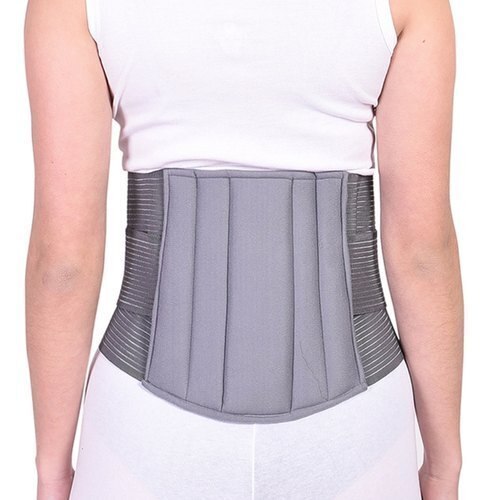 | Customize Product L.S. Belt Customized L.S. Belt (Lumbo Sacral Belt) is designed to provide firm support to the lower back and spine, helping reduce pain, strain, and discomfort... |
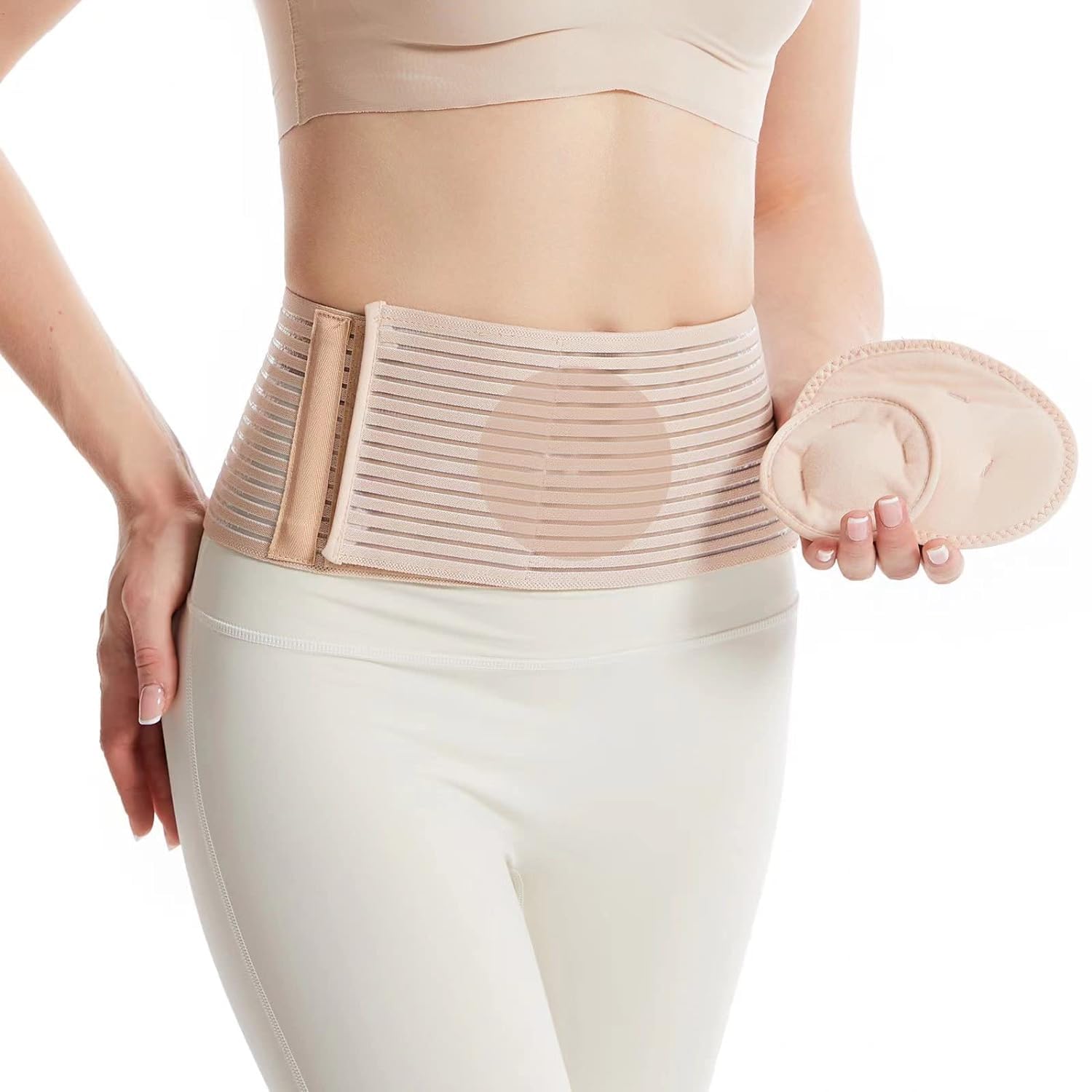 | Customize Product V Karan Pharma, Kalwa Thane, is a trusted supplier of high-quality hernia belts designed for comfort, support, and effective pain relief. View product → |
Frequently asked questions
What is the difference between an abdominal belt and an L.S. belt?
An abdominal belt wraps around the abdomen for abdominal-wall or post-operative support. An L.S. belt supports the lumbar and lumbosacral region of the lower back, including the area near the sacroiliac joints.
When should an abdominal belt receive medical review?
Ask a clinician to review the need for an abdominal belt when you have severe or worsening pain, a new bulge, wound changes, swelling, vomiting, fever or breathing difficulty. Follow post-operative instructions for timing and wear.
When is an L.S. belt useful for back support?
An L.S. belt can help support the lower back during selected activities or recovery plans. It should not replace assessment when pain follows an injury or comes with leg weakness, numbness, bladder changes or bowel changes.
How do you measure and fit an abdominal or L.S. belt?
Use the measurement point specified by the manufacturer, keep the tape level without pulling it tight, and select the size range that includes your measurement. Fit the belt firmly without restricting breathing, circulation or movement.
What should you ask before buying a support belt in Kalwa or Thane?
Ask which body area the belt supports, how to measure it, whether it is adjustable or custom-made, how to wear and clean it, and when a clinician should review its use.
Keywords