The name Spray Al Nicco does not by itself establish whether the product contains nicotine, an Ayurvedic preparation, or another active medicine. By checking the label, using the correct route and dose, and pairing treatment with a quit plan, you can decide whether it is suitable for your tobacco-cessation attempt and when to seek professional advice.
Key takeaways
- Confirm nicotine is listed as the active ingredient before use.
- Follow the label’s spray dose and avoid swallowing repeated doses.
- Compare nicotine spray with patches, gum, lozenges and prescription treatments.
- Seek advice first if pregnant, under 18, or living with heart disease.
What Spray Al Nicco is intended to treat
Whether Spray Al Nicco is a nicotine-replacement medicine depends on one fact on its label: nicotine must appear as the active ingredient. If it does, the product is a short-acting nicotine spray for nicotine de-addiction during a quit attempt, not a general treatment for substance-use disorders.
- treat tobacco dependence while you stop smoking or using another tobacco product.
- reduce nicotine withdrawal symptoms during the transition away from tobacco.
- control nicotine cravings that could trigger a return to use.
It replaces some nicotine; it does not erase dependence instantly, and it does not make continued smoking safe. Nicotine replacement avoids tar and many toxic combustion products in tobacco smoke, so it is substantially less harmful than continuing to smoke.
Nicotine itself remains pharmacologically active: it can sustain dependence and raise heart rate or blood pressure in some users.
One occasional spray is not proof that treatment has failed. Use short-acting nicotine replacement often enough to control withdrawal while staying within the product label’s maximum daily dose; the amount depends on tobacco use and cravings.
A lapse does not automatically end the quit attempt, but repeated tobacco use calls for a review of dosing, technique, triggers, and support.
If Spray Al Nicco’s label names another active ingredient or gives a nasal route, do not assume it is nicotine replacement. Confirm the formulation before use; the brand name cannot establish its purpose.
How to verify the formulation and use the spray correctly
Do not spray until the pack identifies nicotine as the active ingredient and states that the product is nicotine replacement therapy (NRT). A nicotine mouth spray should list its nicotine strength, volume per spray, other ingredients, expiry date and route of administration; do not assume a product called “Al Nicco” contains nicotine.
Confirm these details on the carton and leaflet:
- Route: oral use inside the mouth, not the nose or throat. Check whether the instructions say to spray against the inside of the cheek or under the tongue.
- Dose: number of sprays per use, minimum interval, daily maximum and whether dosing is based on cigarettes smoked or cravings. One occasional spray can leave withdrawal uncontrolled, but exceeding the stated maximum increases overdose risk.
- Technique: shake the container only if the leaflet says to do so. Avoid inhaling while spraying, and let the dose remain in your mouth rather than swallowing it immediately.
- Ingredients: check the nicotine amount per spray and excipients that matter to you, such as alcohol, flavourings or sweeteners.
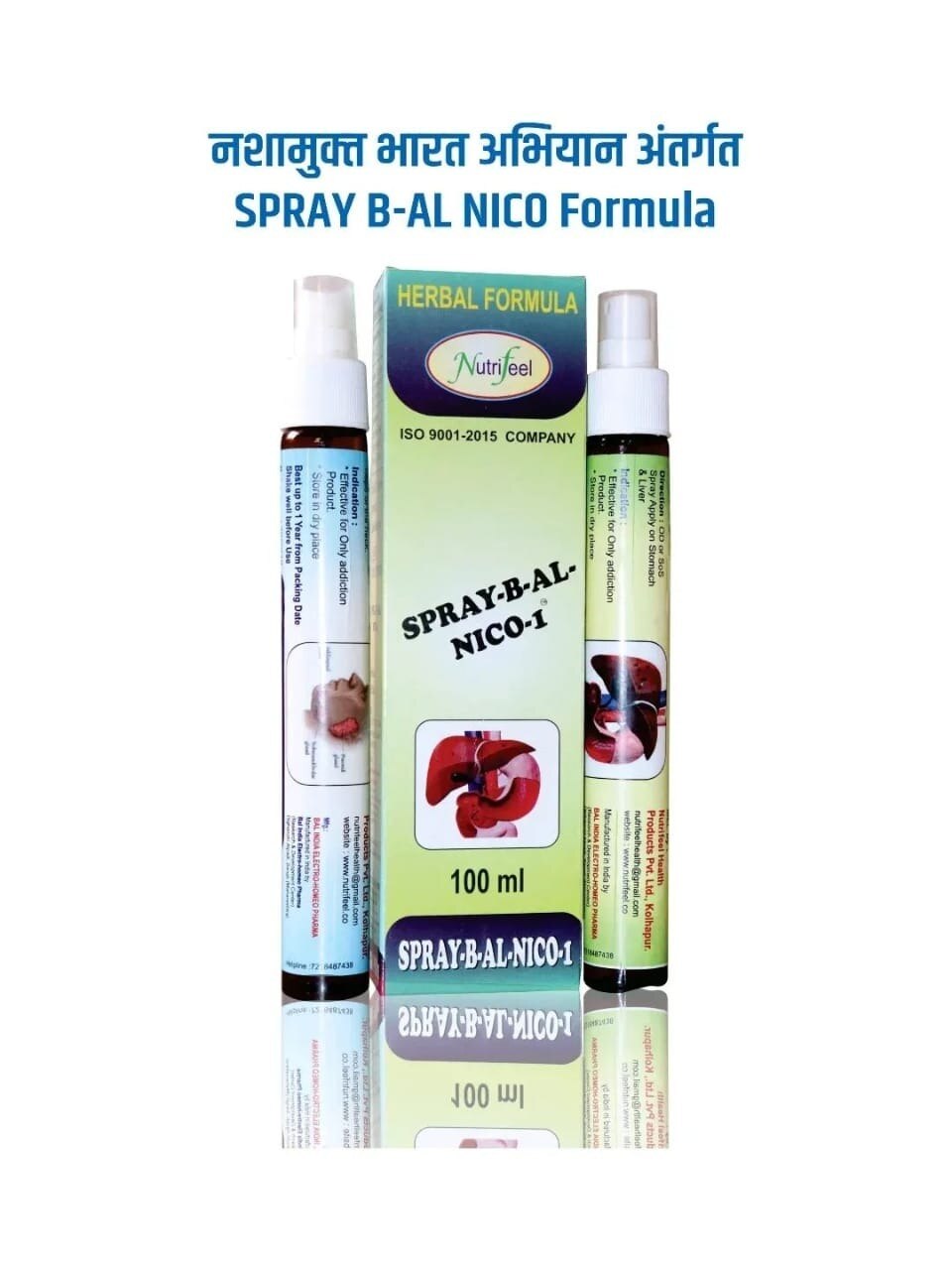
Spray Al Nicco and Spray B Al Nicco are not interchangeable by name alone. Compare the label before using either product.
| Product | What to confirm | Why it matters |
|---|---|---|
| Spray Al Nicco | Nicotine strength, route, sprays per dose and maximum per day | These determine whether it is suitable NRT and how much nicotine you receive |
| Spray B Al Nicco | The same details, plus any different formulation or concentration | “B” does not prove an identical dose or mouth-spray formula |
If either label omits the active ingredient, route or dosing limits, ask a pharmacist before use.
How the spray compares with established cessation treatments
A nicotine spray is a fast-acting form of nicotine-replacement therapy. Across nicotine-replacement products, evidence shows about a 50% to 60% higher chance of long-term cessation than placebo or no replacement; that is an average, not a promise.
Faster relief than gum, lozenges or patches does not make one spray more effective if you use it too rarely.
| Option | What evidence suggests | Practical distinction |
|---|---|---|
| Nicotine spray | Effective short-acting nicotine replacement | Acts quickly for sudden cravings; follow the label’s maximum daily dose |
| Nicotine gum | Effective nicotine replacement | Requires correct chewing and “park” technique; slower relief than spray |
| Nicotine lozenges | Effective nicotine replacement | Dissolve slowly; do not chew or swallow whole |
| Nicotine patches | Effective long-acting nicotine replacement | Provides steady nicotine; does not quickly treat an acute craving |
| Varenicline | Usually more effective than a single nicotine-replacement product | Prescription medicine that reduces nicotine reward and craving |
| Bupropion | Effective prescription cessation medicine | Not suitable for people with some seizure or eating-disorder histories |
Combining nicotine patches with a short-acting spray, nicotine gum or nicotine lozenges helps some people with strong dependence, but check the exact dose with a clinician or pharmacist.
Get advice before use if you are pregnant or breastfeeding, have recent heart problems, uncontrolled blood pressure, or take prescription medicines. Ask before combining treatments, changing from varenicline or bupropion, or using the spray in a teenager. Stop and seek medical advice for persistent chest symptoms or palpitations.
How to build a quit attempt and judge whether it is working
Set a quit date and make the spray part of a tobacco-cessation programme, not a backup for continuing to smoke. Begin on the date stated on the label, use enough sprays to control withdrawal without exceeding the maximum daily dose, and add behavioural support for stronger dependence.
1. Write down your three highest-risk triggers, such as tea, alcohol, driving or stress, and assign a replacement action: walk for five minutes, drink water, call someone or use craving management breathing.
2. Use the spray at the first sign of a craving, following its label directions. One occasional spray can leave withdrawal uncontrolled; ask a clinician whether a nicotine patch plus the spray is appropriate for persistent cravings.
3. Arrange behavioural support through a stop-smoking service, clinician, pharmacist or tobacco-cessation programme. Review your plan before the quit date and again during the first weeks.
4. Record sprays, cravings, tobacco use and side effects each day. A useful response is fewer cravings, manageable withdrawal and no tobacco use.
One lapse does not cancel the attempt. Stop, identify the trigger and resume the plan; repeated smoking while using the spray calls for a review of dose, technique, triggers and support rather than simply adding sprays. Change treatment if cravings remain intense despite correct use, withdrawal prevents normal activities, or side effects persist.
If you obtain it through V. Karan Pharma, ask staff to check the label’s maximum dose and help you plan a clinician review when control is poor.
Side effects, overdose warnings and people who need advice first
Stop using the spray and seek urgent medical advice for persistent palpitations, chest pain, worsening angina, severe breathlessness, confusion, or an allergic reaction. A nicotine spray is not emergency treatment for chest pain, poisoning, or breathing difficulty.
Mouth or throat irritation, hiccups, headache and nausea can occur as nicotine spray side effects. Vomiting, abdominal pain, dizziness, sweating, weakness, headache, palpitations, confusion or breathing problems can indicate nicotine overdose symptoms, especially after exceeding the labelled dose or combining the spray with patches, gum, lozenges, cigarettes or other nicotine products.
| Situation | Why it needs advice or urgent action | What to do |
|---|---|---|
| Pregnancy and breastfeeding | Nicotine exposure needs an individual risk assessment; supervised nicotine replacement can still help a pregnant smoker stop smoking | Speak to a clinician or pharmacist before use |
| Under 18 | The product requires professional assessment rather than self-treatment | Obtain medical advice first |
| Heart disease, recent heart attack, serious heart-rhythm problems or worsening angina | Nicotine can aggravate palpitations or cardiac symptoms | Ask a clinician before starting; stop and seek advice if symptoms appear |
| Child or pet swallows the liquid, or liquid contacts skin | Concentrated nicotine can cause dangerous poisoning, even in small amounts | Contact poison control or emergency services immediately; keep the container for identification |
Do not wait for symptoms after a suspected swallowing or significant skin exposure. Wash contaminated skin while arranging help, and never induce vomiting unless a poison specialist instructs you.
Frequently asked questions
What is Spray Al Nicco intended to treat?
If nicotine appears as the active ingredient, Spray Al Nicco is intended for nicotine replacement during a quit attempt. It is not a general treatment for substance-use disorders.
How can you verify the formulation and use the spray correctly?
Read the active-ingredient line, nicotine strength, dose instructions, batch number and expiry date. Use the spray exactly as the label directs, and do not increase doses because cravings remain.
How does nicotine spray compare with other cessation treatments?
Nicotine spray acts quickly for sudden cravings, while patches provide steady nicotine and gum or lozenges offer another short-acting option. Prescription medicines require clinician advice and follow a different treatment plan.
Who should seek advice before using nicotine spray?
Ask a doctor or pharmacist before use if you are pregnant or breastfeeding, under 18, have recent heart problems, uncontrolled blood pressure, or symptoms suggesting nicotine overdose.
Keywords